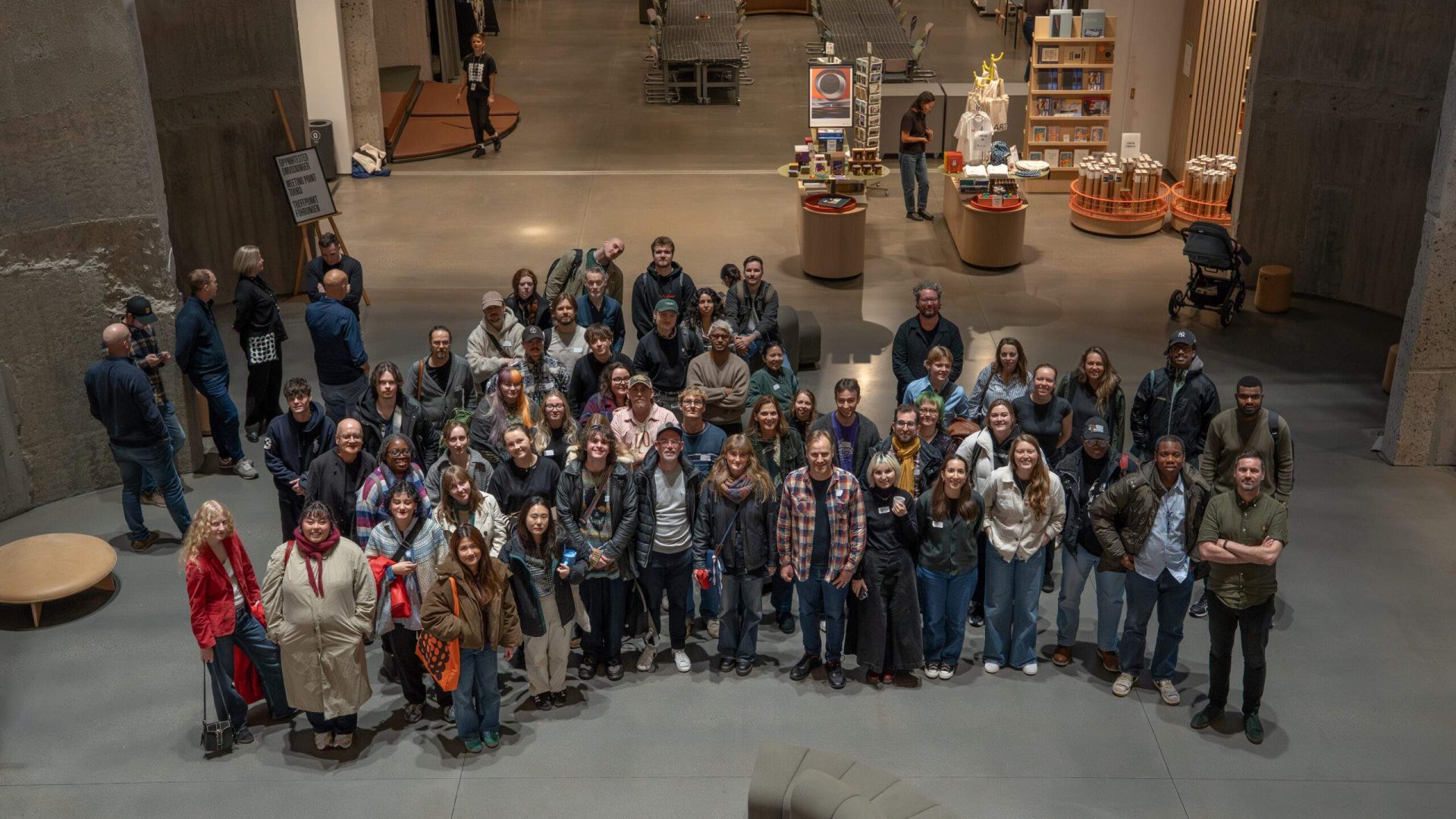
KRS Open participants in Kunstsilo hall CreaTeME-Anja-Kathrine-Laland-Gyberg-26

KRS Open – What’s it all about?

About the KRS Open

The KRS Open is an unusual, invite-only, two-day conference in Kristiansand November 3 - 4, bringing together Music Business Master’s students, academics and music industry practitioners to debate some of the most important questions facing today’s music industries.

The idea has its roots in an article published in 2015 by Artist Manager Andy Harrison, questioning the familiar conference format: a small group of experts on a stage speaking to an audience whose own collective experience might equal or exceed that of the panellists, but who are largely expected to remain silent.


Together with Daniel Nordgård, Harrison began exploring a different approach. In 2016 they took their ideas to Kristiansand’s Sørveiv Festival, where over the following three years they developed and tested new formats designed to make discussions more open, useful and genuinely collaborative.

In 2022, those ideas evolved into the KRS Open, co-founded by Harrison and Nordgård under the University of Agder’s CreaTeME programme.
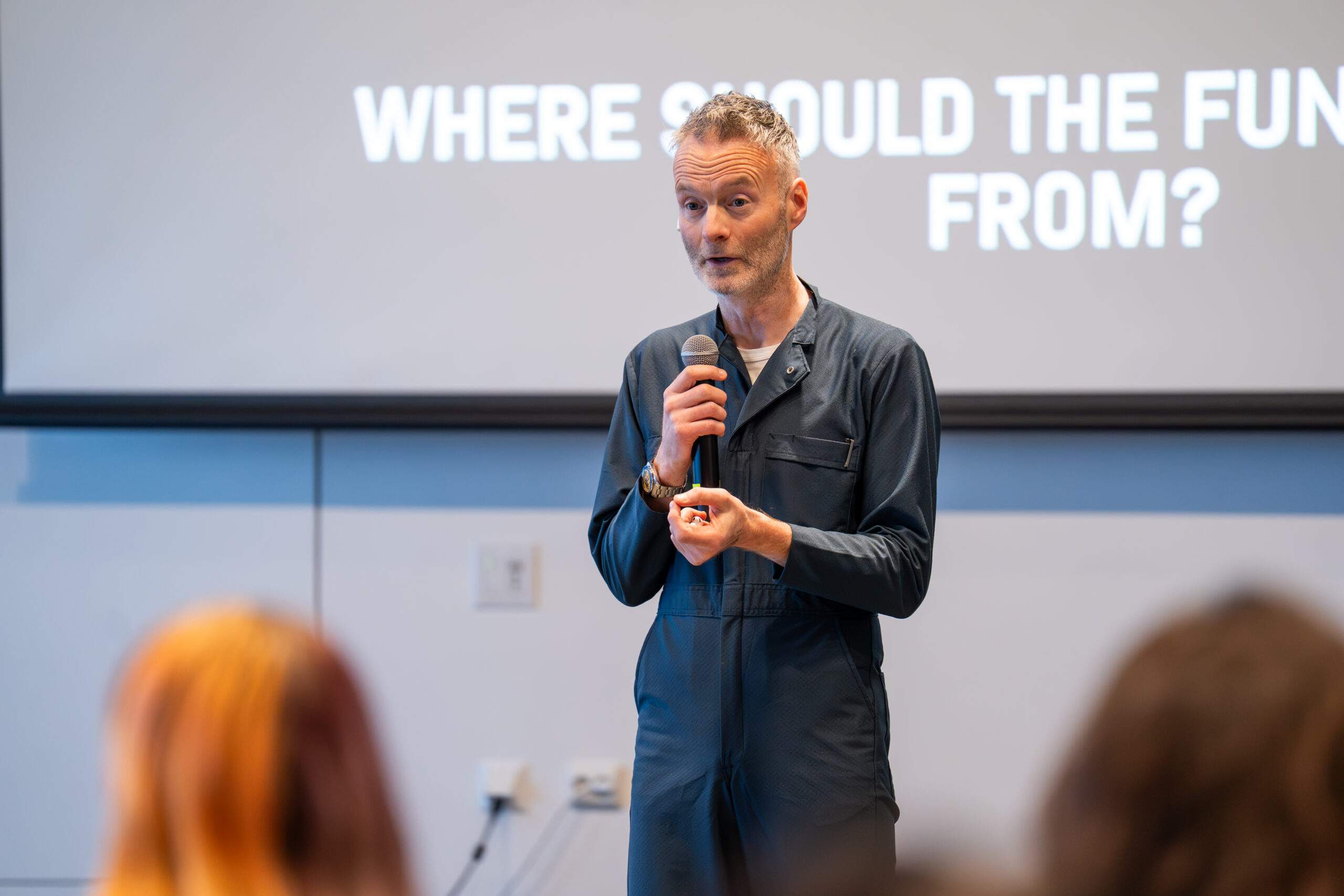
Andy Harrison. Photo:Anja Kathrine Laland Gyberg

How it works

There are no panels, keynotes, podiums or stages at the KRS Open. Nobody is physically elevated above anybody else, and there is no division between “speaker” and “audience”. Instead, around 70% of those in the room are Master’s students, joined by music industries guests and faculty from the University of Agder and a number of international partner institutions.

The emphasis throughout is on the students. Industries guests are invited not simply for their expertise, but for their willingness to listen, participate for the entire event and engage meaningfully. During workshops, they are specifically asked to take a supporting role, creating space for ideas from people who may be less constrained by established industries structures.

Before the event, students help choose four subjects they want to explore. Previous topics have included the impact of AI on music creation, building international Artist careers, Artist-management agreements, and the financial and environmental sustainability of live music. Students then work in groups to interpret one of those subjects and create a short video introducing it. That video opens the discussion, then everyone sits together in an open circle and shares their initial impressions before the room divides into smaller groups to workshop the subject for around 45 minutes. The groups then return to the circle to share, challenge and debate their ideas. The process is repeated for each of the four topics across the two days.
Creating the right environment

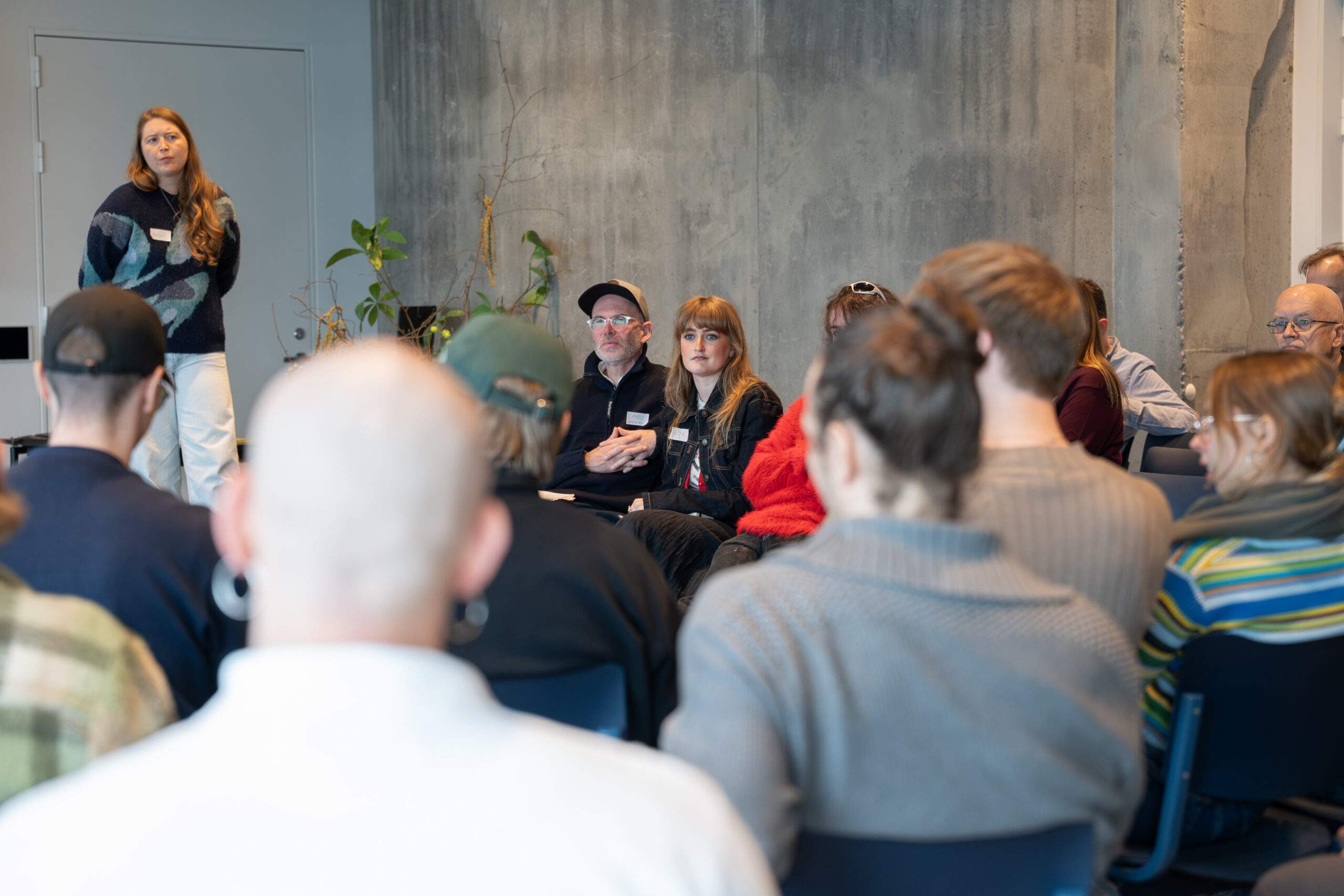
The format extends beyond the discussions themselves. Seating is designed so that people can see one another easily. Native English speakers are asked to make space for those working in a second language. Everyone waits for a microphone before speaking, and all discussions take place under the Chatham House Rule, allowing ideas to travel beyond the room while protecting the identity of those who expressed them.
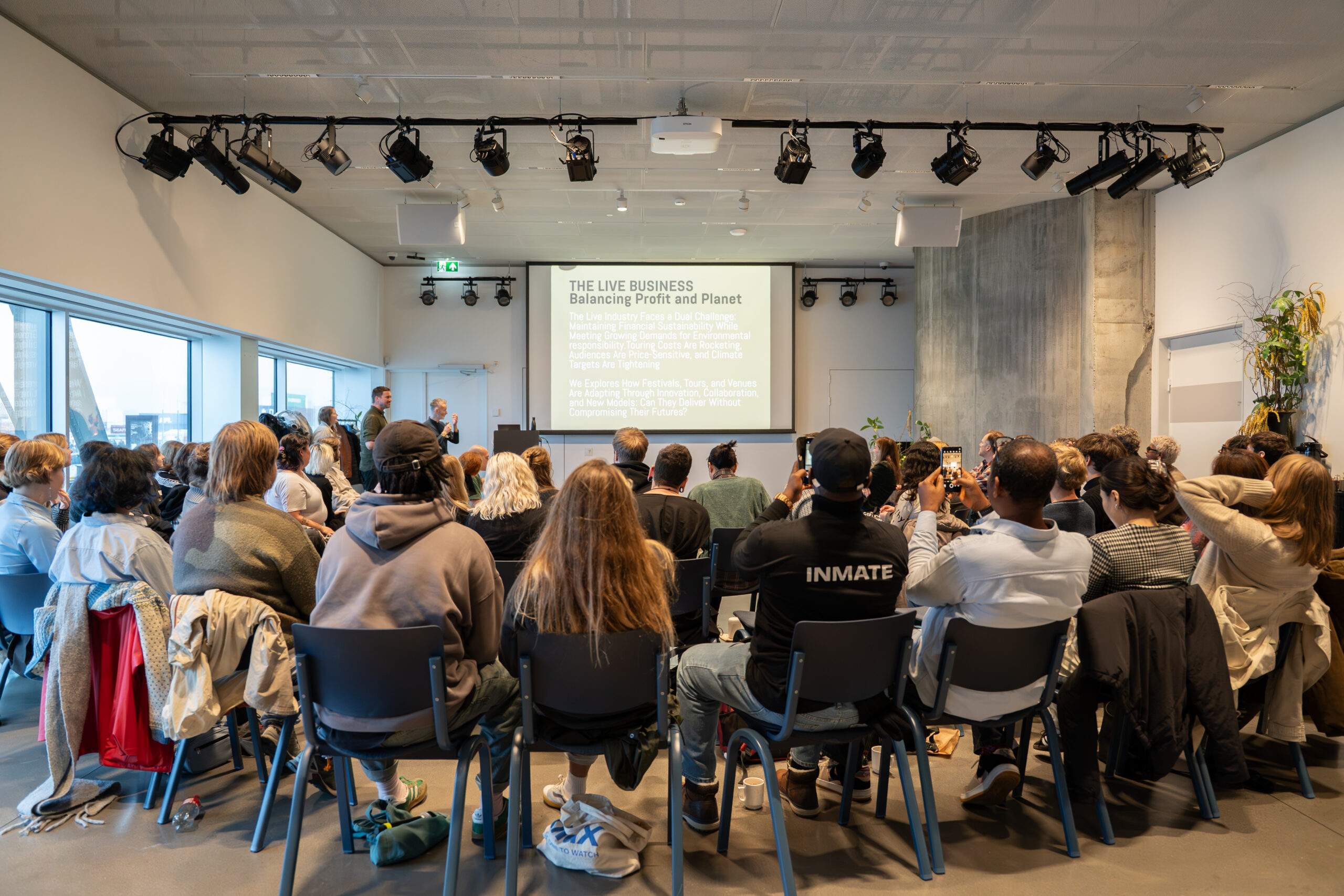
Days finish at 15:00, lunch lasts 90 minutes, and the venue is chosen with natural light and access to the outdoors in mind. Food and informal evening socialising are also fundamental to the event, allowing conversations and relationships to continue beyond the formal programme.

Many of the industry participants stay in Kristiansand for the KRS Open’s sister event, the long-established Kristiansand Roundtable Conference, which follows immediately afterwards and brings together international figures from music, technology, academia, government and rights organisations.

The principle behind the KRS Open is ultimately a simple one: everyone in the room has something to contribute: let them.
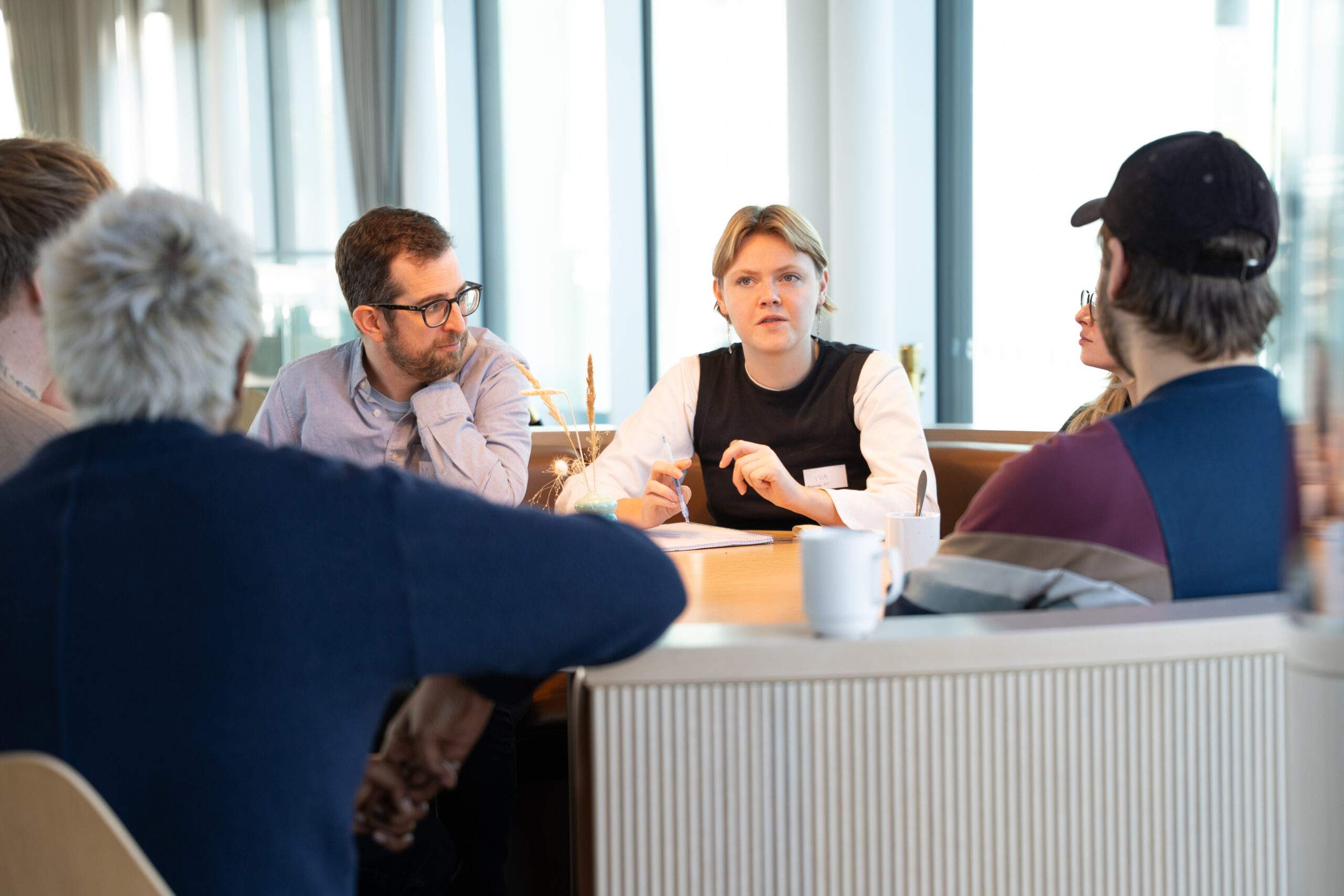
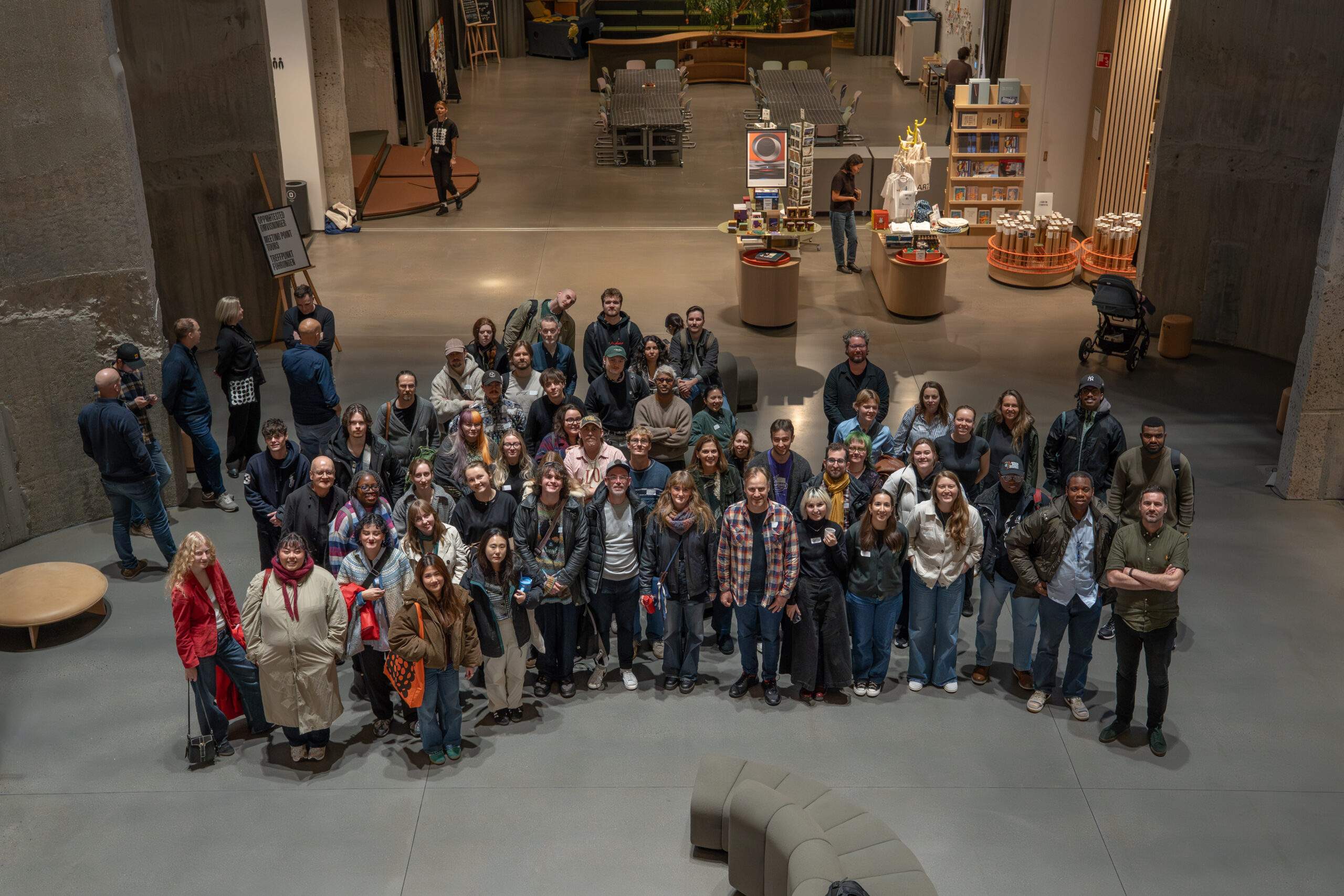
Photos: Anja Kathrine Laland Gyberg
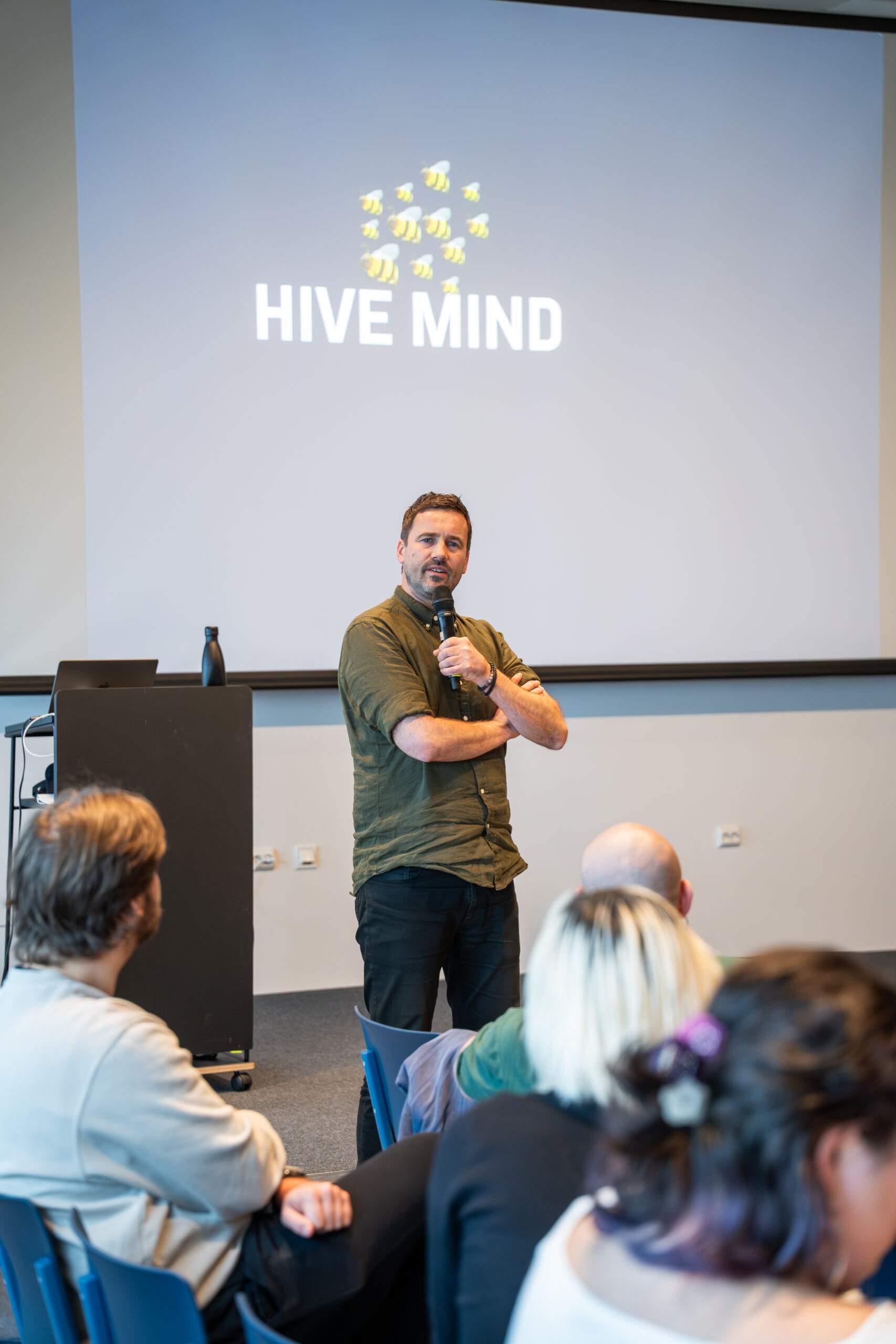
Photos: Aleksandra Nowak

About the KRS Open

The KRS Open is an unusual, invite-only, two-day conference in Kristiansand November 3 - 4, bringing together Music Business Master’s students, academics and music industry practitioners to debate some of the most important questions facing today’s music industries.

The idea has its roots in an article published in 2015 by Artist Manager Andy Harrison, questioning the familiar conference format: a small group of experts on a stage speaking to an audience whose own collective experience might equal or exceed that of the panellists, but who are largely expected to remain silent.


Together with Daniel Nordgård, Harrison began exploring a different approach. In 2016 they took their ideas to Kristiansand’s Sørveiv Festival, where over the following three years they developed and tested new formats designed to make discussions more open, useful and genuinely collaborative.

In 2022, those ideas evolved into the KRS Open, co-founded by Harrison and Nordgård under the University of Agder’s CreaTeME programme.

Andy Harrison. Photo:Anja Kathrine Laland Gyberg

How it works

There are no panels, keynotes, podiums or stages at the KRS Open. Nobody is physically elevated above anybody else, and there is no division between “speaker” and “audience”. Instead, around 70% of those in the room are Master’s students, joined by music industries guests and faculty from the University of Agder and a number of international partner institutions.

The emphasis throughout is on the students. Industries guests are invited not simply for their expertise, but for their willingness to listen, participate for the entire event and engage meaningfully. During workshops, they are specifically asked to take a supporting role, creating space for ideas from people who may be less constrained by established industries structures.

Before the event, students help choose four subjects they want to explore. Previous topics have included the impact of AI on music creation, building international Artist careers, Artist-management agreements, and the financial and environmental sustainability of live music. Students then work in groups to interpret one of those subjects and create a short video introducing it. That video opens the discussion, then everyone sits together in an open circle and shares their initial impressions before the room divides into smaller groups to workshop the subject for around 45 minutes. The groups then return to the circle to share, challenge and debate their ideas. The process is repeated for each of the four topics across the two days.

Creating the right environment

The format extends beyond the discussions themselves. Seating is designed so that people can see one another easily. Native English speakers are asked to make space for those working in a second language. Everyone waits for a microphone before speaking, and all discussions take place under the Chatham House Rule, allowing ideas to travel beyond the room while protecting the identity of those who expressed them.

Days finish at 15:00, lunch lasts 90 minutes, and the venue is chosen with natural light and access to the outdoors in mind. Food and informal evening socialising are also fundamental to the event, allowing conversations and relationships to continue beyond the formal programme.

Many of the industry participants stay in Kristiansand for the KRS Open’s sister event, the long-established Kristiansand Roundtable Conference, which follows immediately afterwards and brings together international figures from music, technology, academia, government and rights organisations.

The principle behind the KRS Open is ultimately a simple one: everyone in the room has something to contribute: let them.

Photos: Anja Kathrine Laland Gyberg
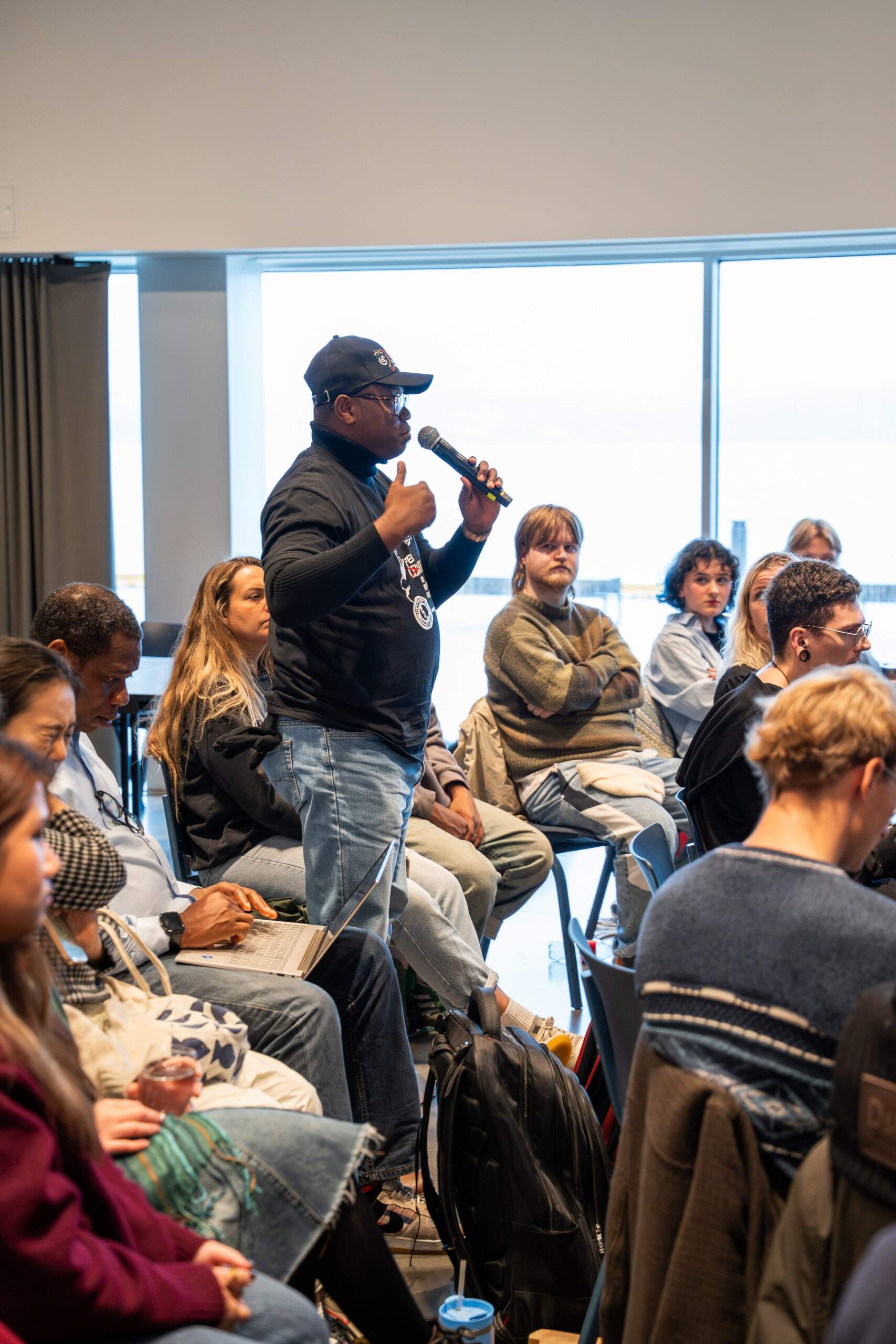
Photos: Aleksandra Nowak

Table of Contents

Creative use of Technology in Music Education