Photo-Anja-Kathrine-Laland-Gyberg-2.png

CreaTeME International and Javeriana launch intercultural Digital Co-Lab Pilot

CreaTeME International and Javeriana launch intercultural Digital Co-Lab Pilot

A new collaboration between CreaTeME International at the University of Agder and Pontificia Universidad Javeriana in Bogotá is exploring how music students can connect creatively across cultures through digital collaboration.The initiative, called Digital Co-Lab Pilot, brings together students from Norway and Colombia in online co-writing sessions where they compose music together while exchanging ideas, artistic perspectives, and cultural experiences.

The pilot project was developed by Associate Professor Ingolv Haaland through CreaTeME International, while Assistant Professor Ricardo Escallón Gaviria is responsible for the project at Javeriana. The collaboration follows a Memorandum of Understanding (MoU) established between the two institutions in 2025, when Haaland first visited Bogotá, and forms part of a broader ambition to strengthen intercultural collaboration in music education.

“This project has great potential to build something new and connect music students from different cultures, learning from and inspiring each other,” says Ricardo Escallón Gaviria.


Students at the centre

The first session involved two students from UiA and two students from Javeriana working together digitally across continents, time zones, and musical backgrounds. For UiA student Isabelle Wetlesen, one of the most valuable aspects of the project was discovering how technology could support a more human and collaborative creative process. Even when the students worked individually on lyrics, production, or arrangements, they remained connected through ongoing online sessions that created a stronger sense of presence and shared creativity. At the same time, the project also revealed some of the natural challenges involved in international collaboration. Busy schedules, technical setup, the “digital” or sometimes “unnatural” distance through the computer screen, and coordination across different routines became part of the learning experience itself. Colombian student Felipe Alejandro Garay Prie emphasized that music is deeply personal, and that building trust and getting to know each other is an important part of the creative process before the actual songwriting begins. He also pointed to openness and curiosity as important strengths within Colombian musical culture, describing it as a culture that welcomes new impulses and influences.
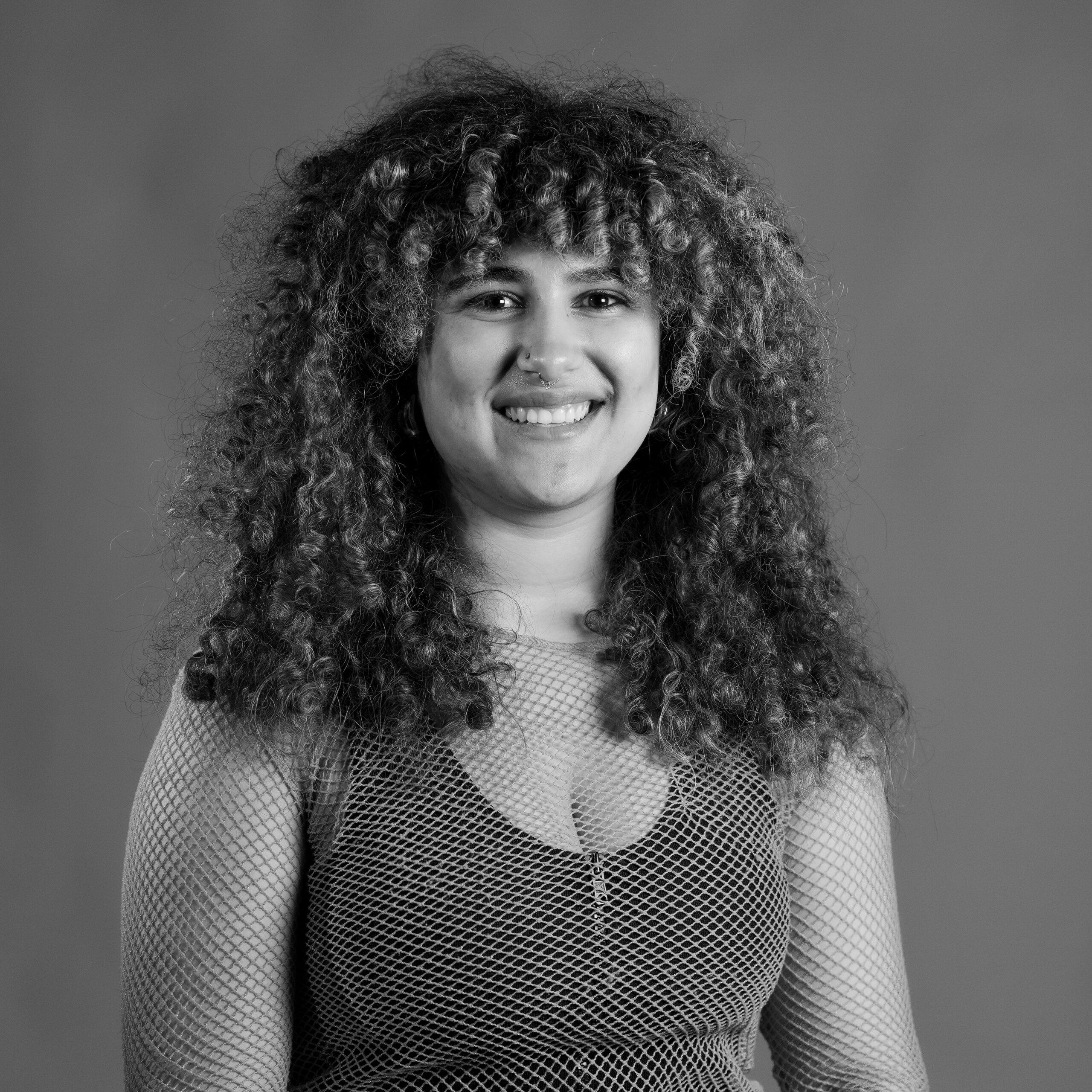
Isabelle Wetlesen
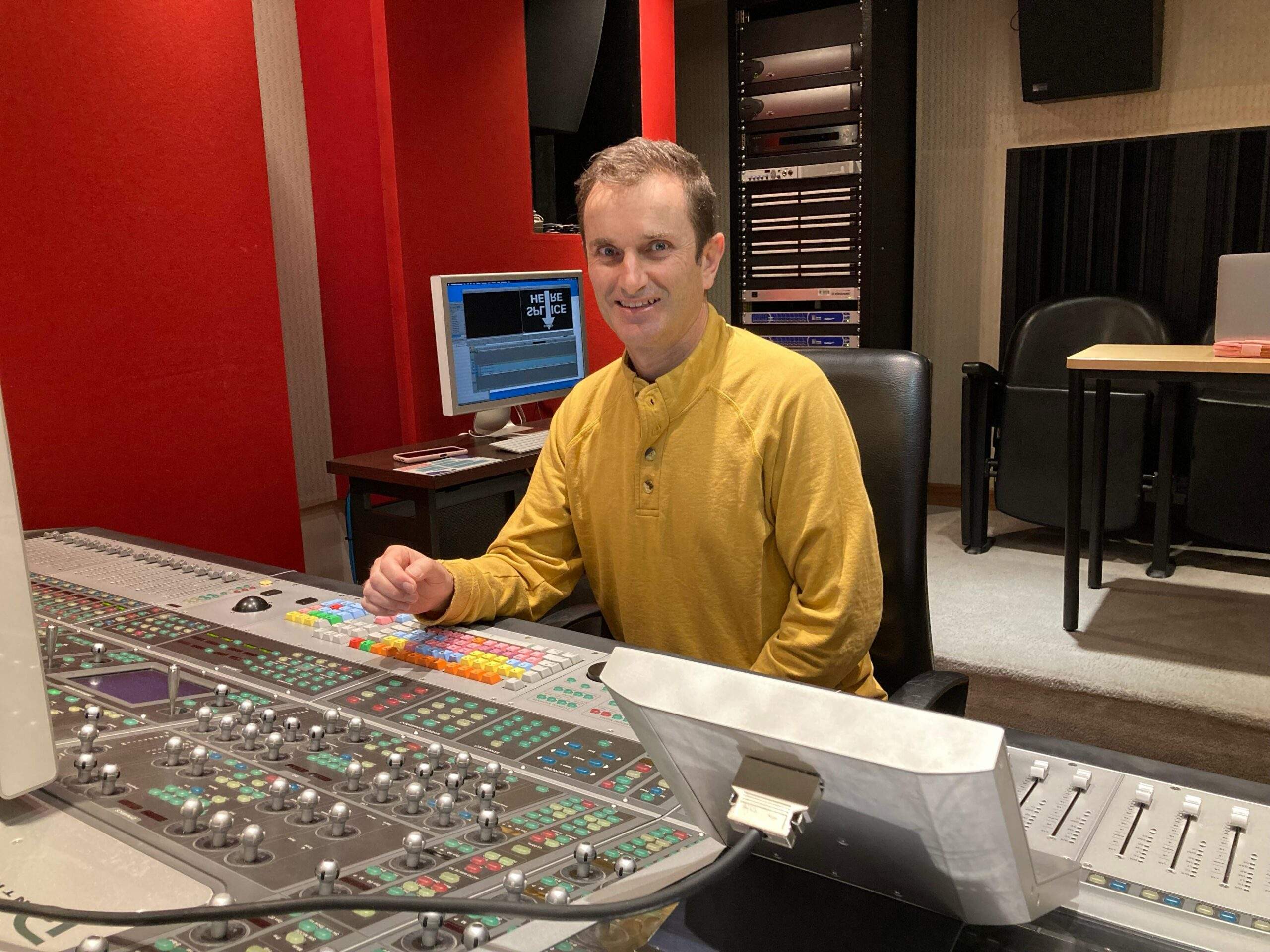
Associate Professor Ingolv Haaland

Building cultural understanding through music

A central ambition of the initiative is to strengthen cultural understanding through collaborative artistic practice. By bringing together students from different musical traditions, genres, and personal backgrounds, the project encourages participants to reflect on both their own artistic identities and the perspectives of others.

“It’s valuable for students to collaborate across cultures and musical genres, especially with all the conflicts around the world now. These kinds of encounters challenge artistic habits, broaden perspectives, and can help students develop their own artistic voice and signature sound”  says project leader Haaland.

The project also explores how digital collaboration can complement traditional international exchange. While physical mobility remains important, digital formats can create new opportunities for long-term collaboration with lower economic and environmental costs. At the same time, the pilot has demonstrated that there is still much to develop when it comes to building effective digital structures, workflows, and practical collaborative hubs for international music creation.

A growing collaboration between Norway and Colombia

The partnership between UiA and Javeriana is already expanding beyond the pilot project itself. Following Haaland’s second visit to Bogotá in May, further collaboration activities are already underway, and a student from the Department of Popular Music at UiA will travel to Javeriana for an exchange semester in July. Although the current pilot is based on voluntary participation from both students and staff, the long-term ambition is to further develop the Digital Co-Lab concept through existing and future international partnerships connecting students digitally across institutions in Latin America, Asia, Africa, and Europe. At its core, however, the initiative remains focused on creating meaningful artistic encounters between students who otherwise might never have met — using music as a way to build dialogue, understanding, and creative exchange across cultures.


Felipe Alejandro Garay Prie
Assistant Professor Ricardo Escallón Gaviria

CreaTeME International and Javeriana launch intercultural Digital Co-Lab Pilot

A new collaboration between CreaTeME International at the University of Agder and Pontificia Universidad Javeriana in Bogotá is exploring how music students can connect creatively across cultures through digital collaboration.The initiative, called Digital Co-Lab Pilot, brings together students from Norway and Colombia in online co-writing sessions where they compose music together while exchanging ideas, artistic perspectives, and cultural experiences.

The pilot project was developed by Associate Professor Ingolv Haaland through CreaTeME International, while Assistant Professor Ricardo Escallón Gaviria is responsible for the project at Javeriana. The collaboration follows a Memorandum of Understanding (MoU) established between the two institutions in 2025, when Haaland first visited Bogotá, and forms part of a broader ambition to strengthen intercultural collaboration in music education.

“This project has great potential to build something new and connect music students from different cultures, learning from and inspiring each other,” says Ricardo Escallón Gaviria.


Students at the centre

The first session involved two students from UiA and two students from Javeriana working together digitally across continents, time zones, and musical backgrounds. For UiA student Isabelle Wetlesen, one of the most valuable aspects of the project was discovering how technology could support a more human and collaborative creative process. Even when the students worked individually on lyrics, production, or arrangements, they remained connected through ongoing online sessions that created a stronger sense of presence and shared creativity. At the same time, the project also revealed some of the natural challenges involved in international collaboration. Busy schedules, technical setup, the “digital” or sometimes “unnatural” distance through the computer screen, and coordination across different routines became part of the learning experience itself. Colombian student Felipe Alejandro Garay Prie emphasized that music is deeply personal, and that building trust and getting to know each other is an important part of the creative process before the actual songwriting begins. He also pointed to openness and curiosity as important strengths within Colombian musical culture, describing it as a culture that welcomes new impulses and influences.
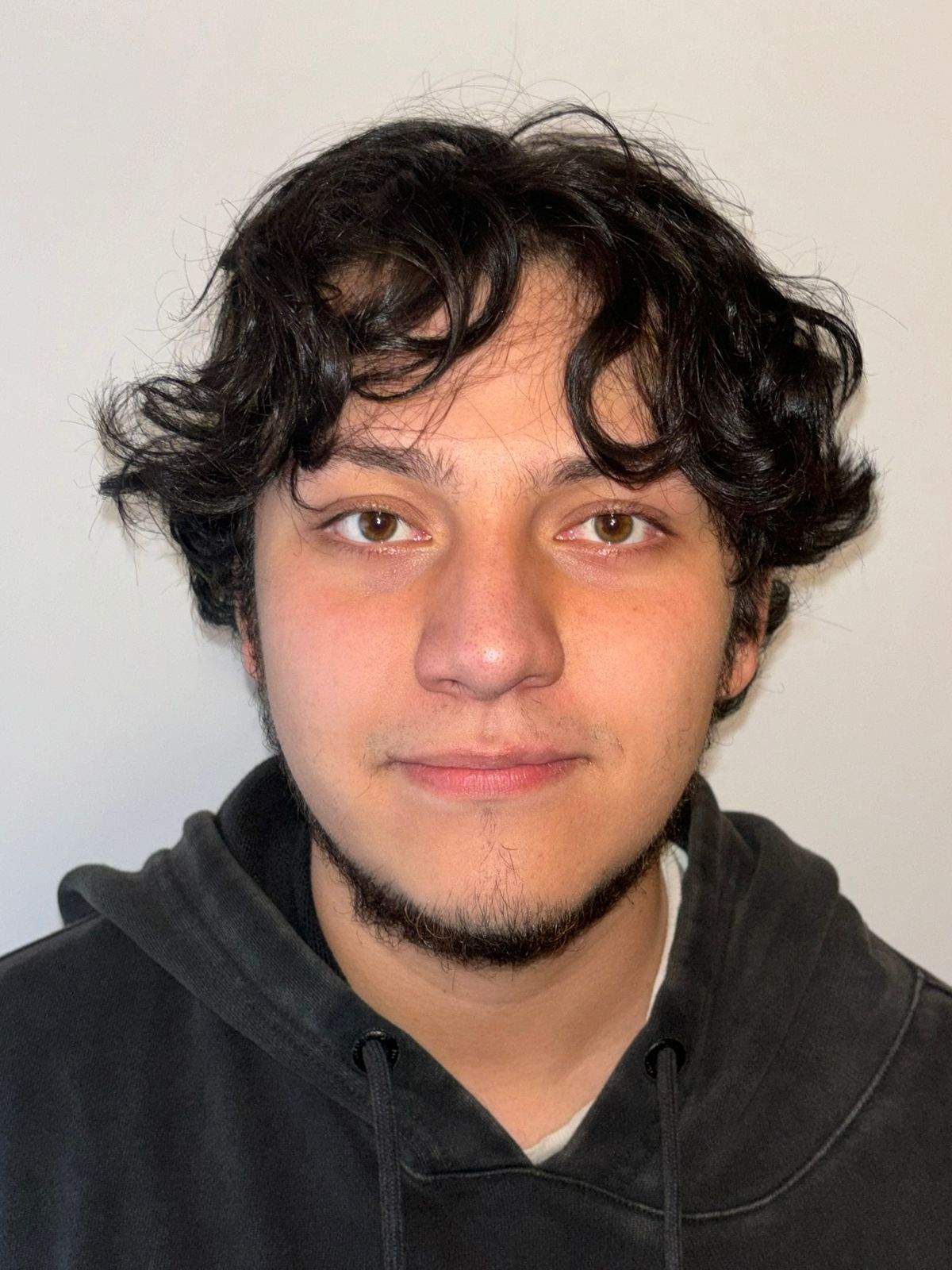
Isabelle Wetlesen
Associate Professor Ingolv Haaland

Building cultural understanding through music

A central ambition of the initiative is to strengthen cultural understanding through collaborative artistic practice. By bringing together students from different musical traditions, genres, and personal backgrounds, the project encourages participants to reflect on both their own artistic identities and the perspectives of others.

“It’s valuable for students to collaborate across cultures and musical genres, especially with all the conflicts around the world now. These kinds of encounters challenge artistic habits, broaden perspectives, and can help students develop their own artistic voice and signature sound”  says project leader Haaland.

The project also explores how digital collaboration can complement traditional international exchange. While physical mobility remains important, digital formats can create new opportunities for long-term collaboration with lower economic and environmental costs. At the same time, the pilot has demonstrated that there is still much to develop when it comes to building effective digital structures, workflows, and practical collaborative hubs for international music creation.

A growing collaboration between Norway and Colombia

The partnership between UiA and Javeriana is already expanding beyond the pilot project itself. Following Haaland’s second visit to Bogotá in May, further collaboration activities are already underway, and a student from the Department of Popular Music at UiA will travel to Javeriana for an exchange semester in July. Although the current pilot is based on voluntary participation from both students and staff, the long-term ambition is to further develop the Digital Co-Lab concept through existing and future international partnerships connecting students digitally across institutions in Latin America, Asia, Africa, and Europe. At its core, however, the initiative remains focused on creating meaningful artistic encounters between students who otherwise might never have met — using music as a way to build dialogue, understanding, and creative exchange across cultures.


Felipe Alejandro Garay Prie
Assistant Professor Ricardo Escallón Gaviria

Table of Contents

Creative use of Technology in Music Education