
Registration open for Creative Synergies 2026
Creative Synergies returns to UiA in week 9 (23–27 February 2026), bringing together artists, educators, researchers, and students for an intensive week of seminars, group work, and performances in Kristiansand, Norway.
The week opens with two shared seminar days featuring guests such as Robert Henke, Pamela Burnard, Magne Furuholmen, Martin Terefe, SØS Gunver Ryberg, Jan Bang, Carmen Villain, André Bratten, Johanna Scheie Orellana, Jonas Bjerre, Heidi Partti, Lars Andersson, Eirik Havenes and others. In the following days, students work in themed tracks (scoring for picture, co-writing, popular music performance, cross-aesthetic projects), while visiting artists and teachers take part in case-driven roundtables on pedagogy and curriculum. The week concludes with student showcases on Friday. The aim is to connect artistic practice with educational design and turn insights into concrete methods that can fuel both education and artistic practic.
Participation is free for staff and students, and we encourage institutions to bring students. Students and staff from the Nordic countries and EU may in some cases be eligible to have their travel covered by their home institution. In addition, CreaTeME have some limited funds that visiting students and staff can apply for.
CreaTeME’s mandate is to strengthen the field of music education and to serve as a nexus between institutions, artistic practice, and research. It is therefore essential that we meet, share experiences, and discuss current challenges and possibilities together.
What happened at the last Creative Synergies?


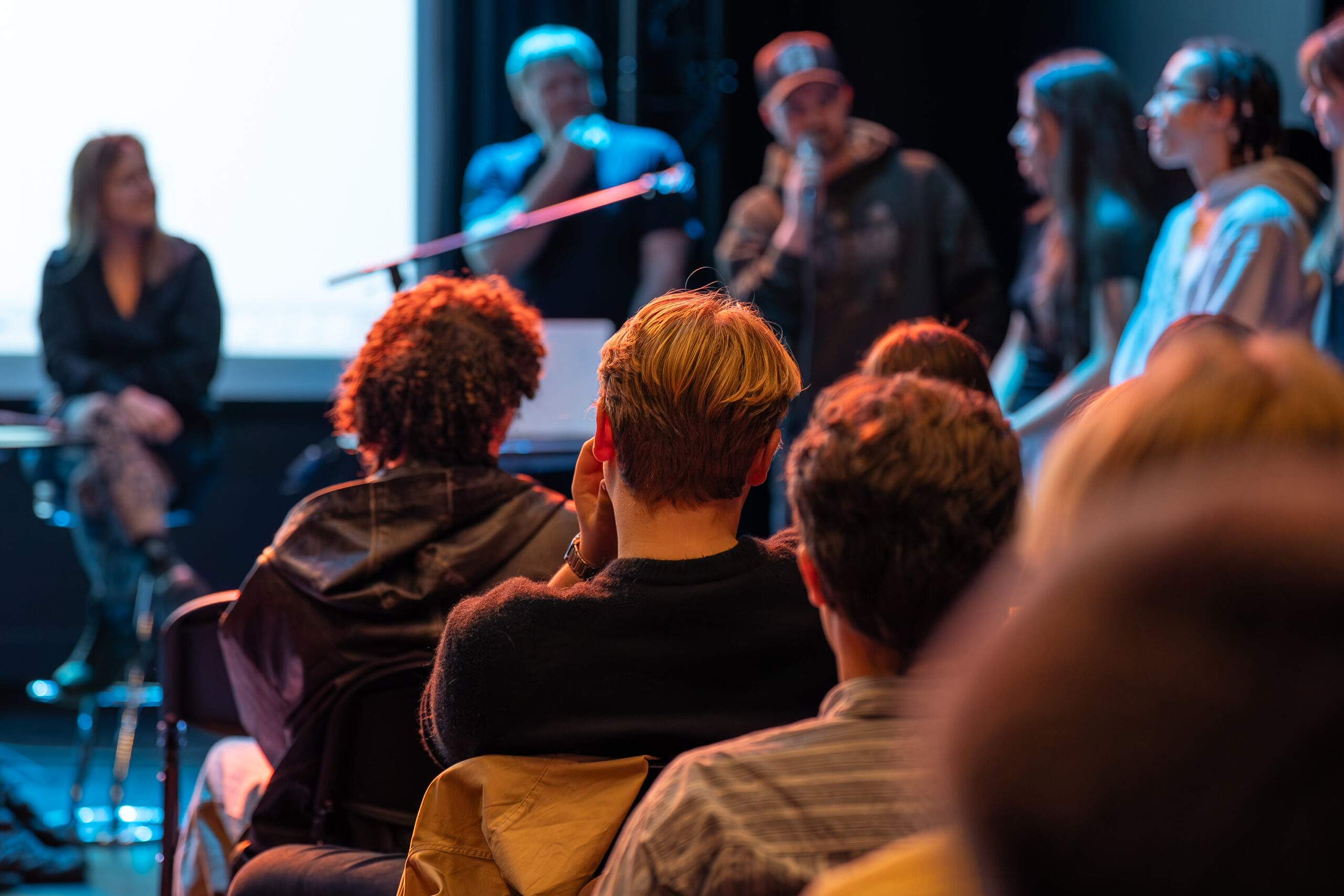
Photo credits: CreaTeME // Anja Kathrine Laland Gyberg
Creative Synergies 2026 · Program
23–27 February 2026 · Kristiansand
Monday
Time
Activity
09:30
Opening Creative Synergies 2026
Creative Synergies 2026 opens with a presentation of Array of Reflection, an audiovisual work by Even Røstad and David Åkerlund Foss, followed by welcome remarks and a brief introduction to the week.
📍Hovedsalen, 1st floor
09:45
Talk: 'Arbeidsdogmer som kreativ motor' (in Norwegian) with Eirik Havnes, chaired by Jan Bang
Eirik Havnes viser hvordan selvvalgte begrensninger og arbeidsdogmer kan fungere som en aktiv drivkraft i skapende arbeid på tvers av kunstformer. Med konkrete eksempler fra musikk, lydinstallasjon, foto og tekst utforsker han hvordan rammer kan skjerpe fokus, åpne nye idérom og gi prosessen en tydelig rød tråd.
📍Hovedsalen, 1st floor
11:15
Break
11:30
Talk: 'Intonation as Material: Collaborative Soundscapes' – with Ole-Henrik Moe and André Bratten
Electronic music artist André Bratten and composer and multiinstrumentalist Ole-Henrik Moe discuss how they collaborate across studio electronics and instrumental practice to build klangflater—sound fields shaped by timbre, density, and micro-intonation. The talk focuses on methods for searching out textures that carry emotional weight, where tuning, noise, and spectral detail become compositional tools.
📍Hovedsalen, 1st floor
Workshop with Eirik Havnes
Eirik Havnes will host a lyrics/poetry workshop (held in Norwegian) following his presentation. The workshop has limited capacity. Please check the student overview to see whether you have been assigned a spot.
📍CreaTeME-lab
13:00
Lunch
📍FOYER, 1st floor
13:30
Talk: 'Computable Numbers' – with Robert Henke, chaired by SØS Gunver Ryberg
Robert Henke talks about the complex relationship between creating art and building the tools necessary for it. Taking his recent work with vintage 8 bit computers as an example, he explores the challenges, benefits, risks and happy accidents that can emerge from a deep-dive into coding and hardware from an artists perspective. He discusses his working method in relation to the current trend of 'black box' creation using large language models and other machine learning tools, and provides insights into his general working methods and artistic mindset. More info on the talk here.
📍Hovedsalen, 1st floor
15:15
Break
15:30
Presentation: CreaTeME International – with Jan Bang and Ingolv Haaland w/ students + Performance by Even S. Røstad and Alessandra Bossa
Ingolv Haaland and Jan Bang present CreaTeME International, an initiative built around on-stage seminars and workshops in live electronics, improvisation, and live sampling. They outline the project’s aims and working methods, and reflect on what becomes possible when institutions meet through shared artistic practice, not just shared curriculum. The presentation also includes an artistic demonstration by Even S. Røstad and Alessandra Bossa.
📍Hovedsalen, 1st floor
16:00
Apparatjik (Artist-in-Residence): Presenting Their New Album 'Entropolis' – chaired by Bernt Rune Stray and Jan Bang
In this talk, you will meet Apparatjik as they present and discuss their upcoming album. They will also discuss different approaches, strategies, and mindsets for facilitating creative processes. Chaired by Bernt Rune Stray and Jan Bang.
📍Hovedsalen, 1st floor
17:15
Break
17:30
18:45
Staff
Meet & greet with short informal presentation
📍meeting room 1, 4th floor
19:15
Dinner/Tapas
📍FOYER, 1st floor
20:00
Tuesday
Time
Activity
09:00
Talk: 'Cross-Platform Aesthetics, Artistic Bildung (kunstnerisk dannelse), and the Search for a Unique Artistic Expression' – with Magne Furuholmen, chaired by Karl Olav Segrov Mortensen
In this talk, Magne will discuss and reflect on the effects of working within and moving between different aesthetic forms of expression, such as music and the visual arts. Chaired by Karl Olav Segrov Mortensen.
📍Hovedsalen, 1st floor
10:30
Break
10:45
Talk: 'The Role of the Producer and Collaborative Decision-Making in the Studio' – with Martin Terefe, chaired by Kristine Hoff
In this talk, Martin will present examples from his extensive career as a producer and songwriter with a particular focus on collaborative decision making and the producer role. Chaired by Kristine Hoff.
📍Hovedsalen, 1st floor
Talk: 'Approaches to Scoring for Picture' – with Martin Walther, SØS Gunver Ryberg, André Bratten and Ole-Henrik Moe
Approaches to scoring for picture brings together filmmaker Martin A. Walther with composers/producers SØS Gunver Ryberg, André Bratten, and multi-instrumentalist Ole-Henrik Moe for a case-based panel on how music is conceived, shaped, and delivered for film and screen work using concrete examples from their own projects.
📍galleriet, 1st floor
12:15
Lunch
📍FOYER, 1st floor
13:00
Talk: 'Building a Shared Sonic Space: From Studio to Live Performance' – with Carmen Villain and Johanna Scheie Orellana, chaired by Even Sarucco
Electronic musician Carmen Villain and flutist Johanna Scheie Orellana talk about how they build a shared creative space across recording and live performance. They unpack the practical choices behind their sonic “field” approach: how layering, space, repetition, and subtle performance detail become a method for shaping texture and emotion, and how recorded material can be returned to, reshaped, and carried onto the stage. chaired by Even Sarucco.
📍Hovedsalen, 1st floor
14:30
Break
14:45
Talk: 'Using Animation as a Visual Expression in a Concert Format' – with Jonas Bjerre, chaired by Erik Ljunggren
In this talk, Jonas will discuss and showcase different approaches to how animation can be used in concert settings. Chaired by Erik Ljunggren.
📍Hovedsalen, 1st floor
16:15
Break
16:30
Track Launch
'Scoring for Picture'
📍Galleriet, 1st floor
Track Launch
'Performance'
📍Hovedsalen, 1st floor
Track Launch
'Songmaking'
📍Blackbox, basement
Track Launch
'Cross Aesthetics'
📍hovedsalen, 1st floor
17:00
Roundtable
📍Meeting Room 1, 4th floor
Roundtable
📍Blackbox, Basement
Wednesday
Students: Group work in all tracks all day (see separate track schedule) and group mentoring with invited artists, artistic in residence and staff.
Time
Activity
09:00
Staff Primer Talk: 'Pluralising Creativities to Broaden Music Performance in HE: How? Why?' – with Pamela Burnard, chaired by Jacob Anderskov
This talk examines how pluralising creativities can expand music performance practices in higher education, and why such an expansion is necessary. It challenges dominant, individualised, and often restrictive notions of performance by framing creativity as relational, processual, and open-ended. Drawing selectively on posthuman new materialist thinking, the talk emphasises experimentation, collaboration, and conceptual risk as productive forces in music-making. Using a non-linear, assemblage-based structure inspired by Gilles Deleuze and Félix Guattari, it proposes alternative pedagogical and performative approaches that keep music performance in HE responsive, inclusive, and oriented toward what is not yet known.
📍Hovedsalen, 1st floor
10:00
Roundtable
📍Meeting Room 1, 4th floor
12:30
Break (lunch for staff)
13:15
15:45
Break
16:00
Roundtable + Network Meeting
📍Meeting Room 1, 4th floor
20:00
Dinner (for staff and guests)
Thursday
Students: Group work in all tracks all day (see separate track schedule) and group mentoring with invited artists, artistic in residence and staff.
Time
Activity
09:00
Staff Primer Talk: 'AI in Music Education: Creative Synergies or Critical Choices?' – with Heidi Partti
This talk frames the use of generative AI in music education within a post-digital society, where technology is no longer an external tool but an integral part of cultural, social, and pedagogical practices. Drawing on music education research and sustainability perspectives, the talk explores both the creative possibilities and ethical challenges of AI, including questions of ecological, social, and cultural responsibility. Particular attention is given to the role of the music educator as a critical and ethically responsive agent, whose pedagogical judgment and imagination remain central in guiding responsible and pedagogically tactful uses of technology.
📍Hovedsalen 1st floor
10:00
Roundtable
📍Meeting Room 1, 4th floor
12:30
Break (lunch for staff)
📍FOYER, 1st floor
13:15
Roundtable
📍Meeting Room 1, 4th floor
15:15
Break
📍FOYER, 1st floor
15:30
Showcase
Students from the 'Scoring for Picture track' presents their projects.
📍Galleriet, 1st floor
17:00
Showcase
Students from the 'Songmaking track' presents their projects.
18:00
Roundtable
📍Meeting Room 1, 4th floor
Friday
Students: See track schedule for sound check and get in. No planned program for the songmaking track on Friday.
Time
Activity
08:30
Staff Primer Talk: 'Toward Locally Responsive Approaches to Diversity in Music Education – with adam patrick bell and Eirik Sørbø
Drawing on our experiences working in university music programs in Norway and Canada, this primer examines how academic institutions in both countries conceptualize “diversity” and how related policies and practices are implemented to realize diversity withing music programs. Focusing on popular music programs and initiatives within higher education, we stress that national approaches appear to be failing to realize their intended aims related to diversity and therefore as an alternative, music programs might consider a move toward more bottom-up, locally-responsive approaches to better support and represent the diversity of people (and their associated musical practices) within their respective communities.
📍CreaTeME-lab, 3rd floor
09:30 - 14:00
Showcase
Students from the 'Cross Aesthetics' AND 'Performance' tracks presents their projects.
📍hovedsalen, 1st floor + Blackbox, Basement
11:00
12:00
Lunch (parallel to showcases)
📍FOYER, 1st floor
Artist-in-Residence - Apparatjik

Magne Furuholmen, Artist-in-Residence. He is a visual artist and musician, known as a member of the bands a-ha and Apparatjik. He delivers a keynote artist talk on Tuesday morning. (Photo: Nina Dærff)

Martin Terefe, Artist-in-Residence.He is an international music producer and a member in Apparatjik. He delivers an artist talk on Tuesday morning. (Photo: @martinterefe)
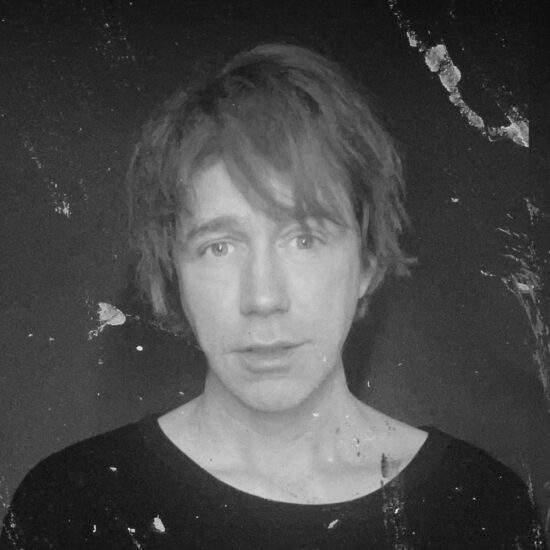
Jonas Bjerre, Artist-in-Residence. He is a musician and visual artist, lead vocalist of the band Mew and member of Apparatjik. He presents an artist talk on Tuesday afternoon. (Photo: @jonasbjerreofficial).
Artist Talks
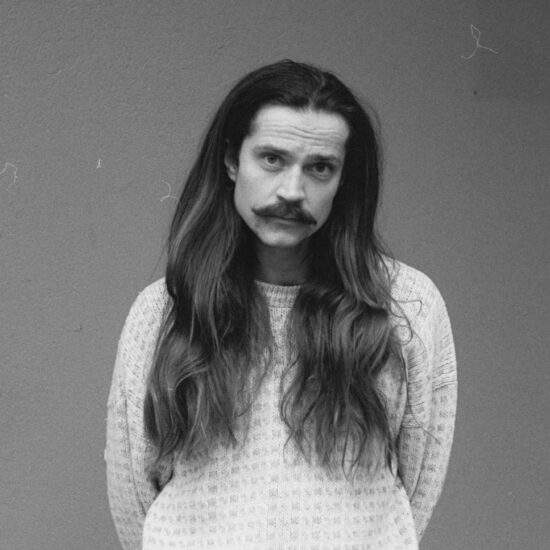
Eirik Havnes, Artist. He is a poet, lyricist, composer, musician and artist. He works across Norway’s cultural scene, often exploring humanity’s place in nature. Eirik will open Creative Synergies talking about how he works creatively.
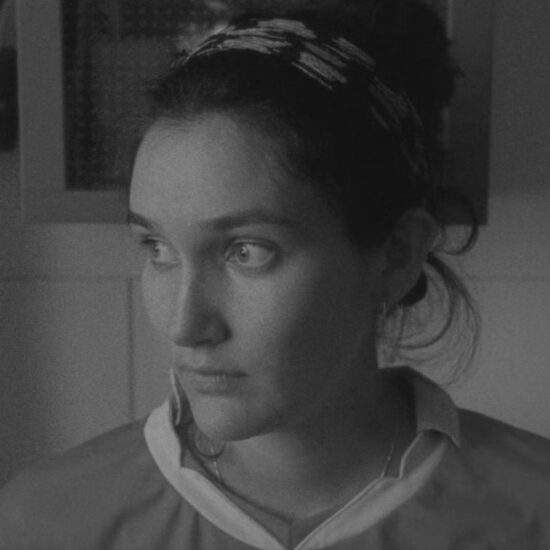
Johanna Scheie Orellana, Artist and Musician. She is a musician focusing on the dialogue between acoustic instruments and electronic processing. She presents a joint artist talk with Carmen Villain.
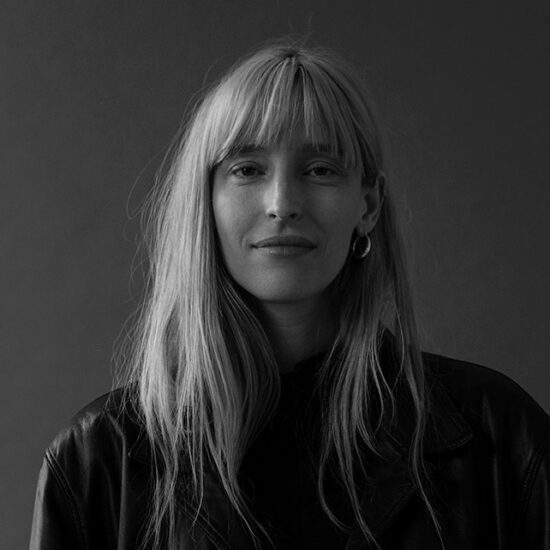
Carmen Villain, Artist and Producer. She is a musician and producer specializing in experimental electronic and ambient music. She delivers a joint artist talk with Johanna Scheie Orellana.
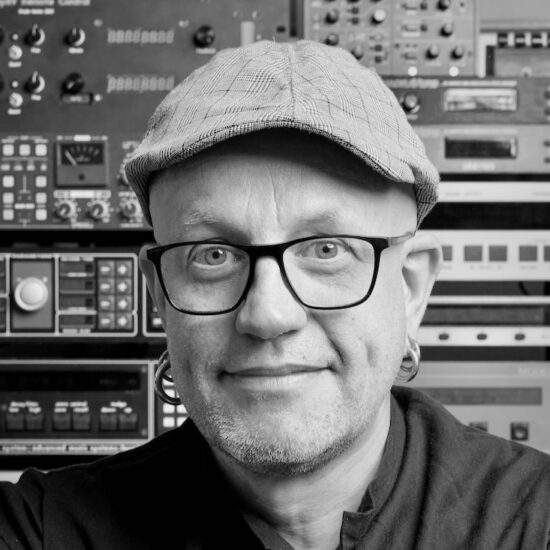
Robert Henke, Artist and Engineer. He is a co-developer of the music software Ableton Live and the creator of the Monolake project. His work focuses on technical systems for audiovisual installations and performances. At CS he delivers a keynote artist talk and performs a live concert.
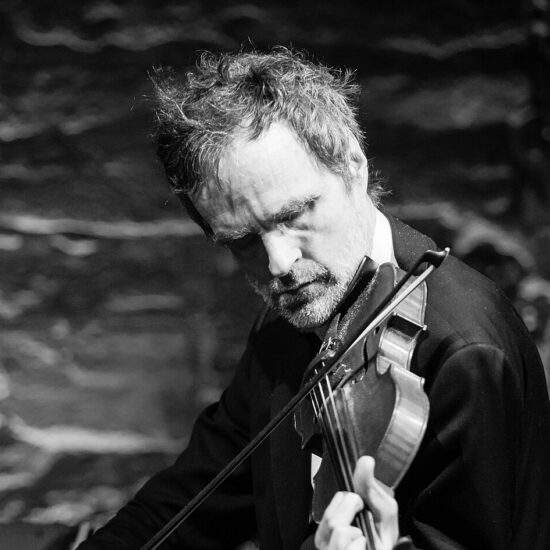
Ole-Henrik Moe, Composer and Violinist. He is a musician working across contemporary classical and experimental sound art. He delivers an artist talk on Monday and participates in roundtables.

SØS Gunver Ryberg. Electronic composer, sound artist and producer. She is working across releases, concerts, orchestral works (COEXISTENCE with the BBC Symphony Orchestra) and cross disciplinary works like video games (Inside, BAFTA-nominated).
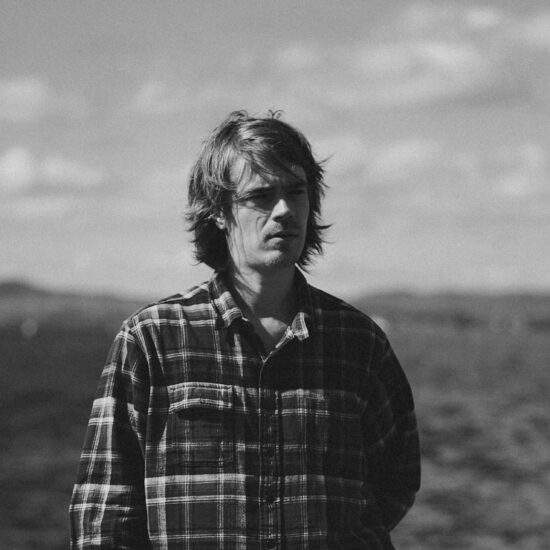
André Bratten, Artist and Producer. He is a producer and songwriter within experimental electronica. At Creative Synergies he will deliver an artist talk together with Ole-Henrik Moe.
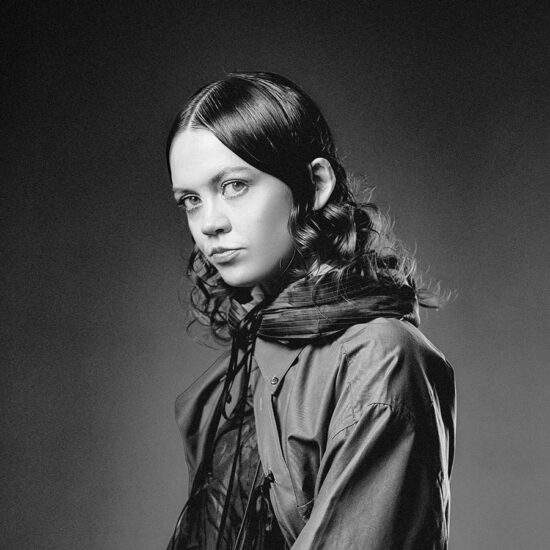
Kristine Hoff, Artist and Assistant Professor. She is a producer, composer and singer - also known as the artist Maud - and an educator at UiA. She chairs the artist talk with Martin Terefe.
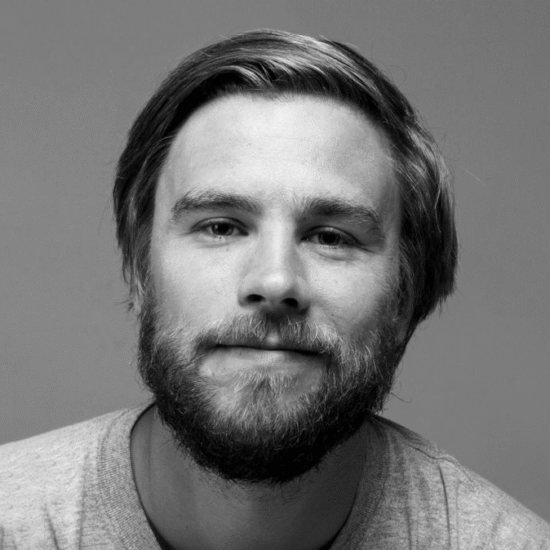
Martin A. Walther. Filmmaker. He is a documentary filmmaker focusing on social themes and human stories. Feature film debut with Pet Farm (2024), which won Best Norwegian Documentary at BIFF. He serves as the track leader for Scoring for Picture.
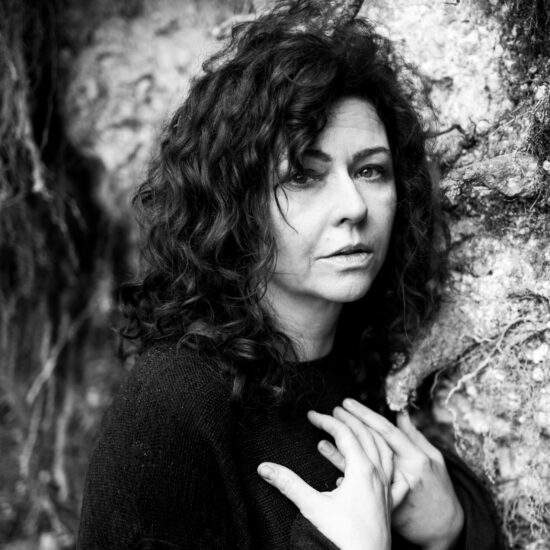
Polly Paulusma, Artist and Scholar. She is a singer-songwriter and academic tutor at the University of Cambridge and ICMP. She is a contributor to the Songmaking student track.

Anneli Drecker, Professor and Vocalist. She is an a professional musician and academic at UiT The Arctic University of Norway and Kristiania. She is a contributor to the Songmaking student track.
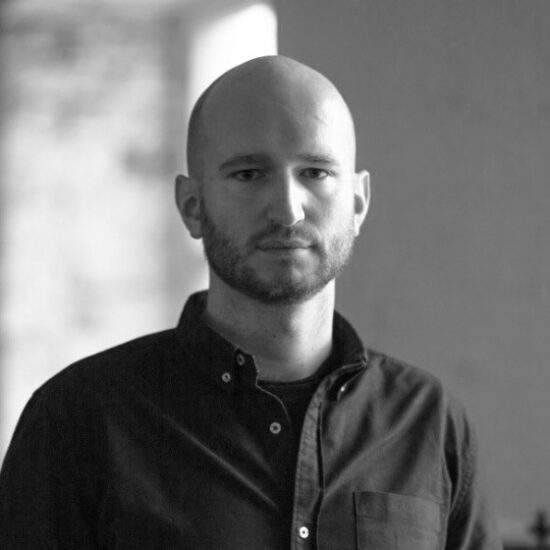
Adam Martin, Senior Lecturer in Popular Music. He is an academic and Course Leader for Popular Music at the University of Huddersfield focusing on music production and collaborative songwriting. He leads the Songmaking collective roundtable.
Staff Primers
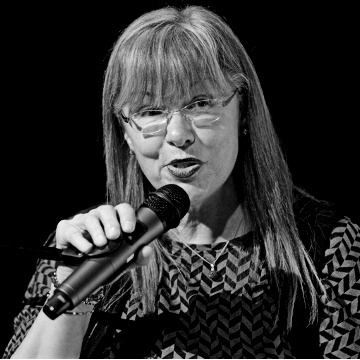
Pamela Ann Burnard, Professor of Arts, Creativities and Educations. She is an academic at the University of Cambridge and a member of the CreaTeMe advisory board. She will deliver a Staff Primer session on Wednesday morning.
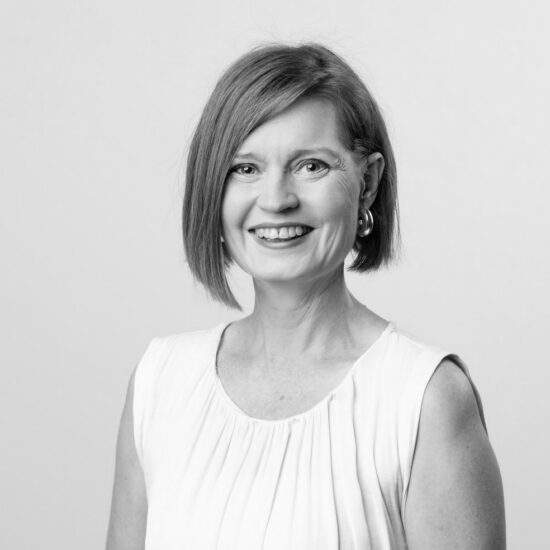
Heidi Partti, Professor of Music Education. She is an academic at the Sibelius Academy, University of the Arts Helsinki. Her research explores digital technology and learning cultures in music education. She delivers the Staff Primer on Thursday morning.
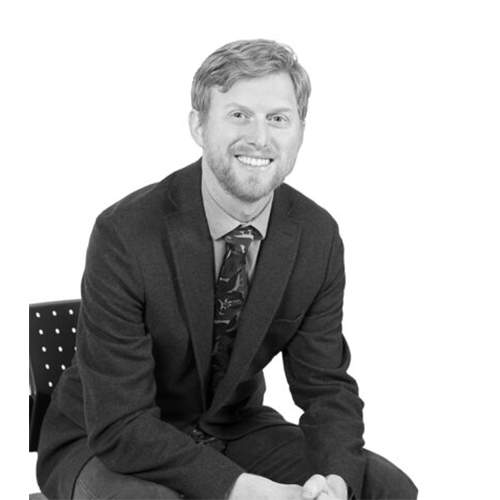
adam patrick bell, Associate Professor. He is an academic at Western University and Canada Research Chair in music, inclusion, and accessibility. He delivers a Staff Primer on Friday morning.
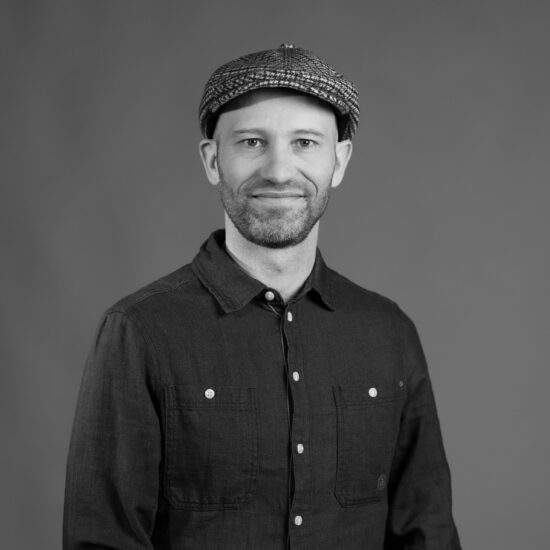
Eirik Sørbø, Associate Professor. He is a academic at UiA with an interest in how music education can employ technological innovations in ways that promote both originality and civic engagement. He delivers a Staff Primer on friday.
In addition to 100+ students, you can meet all these contributors at Creative Synergies
Andrew Joseph West, Associate Professor of Music and Music Production
He is an academic at the Indiana University Jacobs School of Music. He participates in roundtables and contributes to the Songmaking track.
Bernt Rune Stray, Associate Professor
He is a guitarist and academic at NLA University College. He chairs the artist talk for the Apparatjik collective on Monday.
Hanne Hukkelberg, Artist and Associate Professor
She is an singer, songwriter and producer, and Associate Professor in Songwriting and Production at the Norwegian Academy of Music. She will contribute to the Songmaking student track.
Jacob Anderskov, Professor
He is an academic at the Rhythmic Music Conservatory (RMC) in Copenhagen. He leads the roundtable session on implementing artistic research in BA and MA degree programs.
Jonny Sjo, Professor
He is a professional bassist and academic at NLA University College. He will participate in roundtables.
Karl Olav Mortensen, curator and head of programming at Kunstsilo
He is a former PhD Research Fellow at UiA and chairs the artist talk for Magne Furuholmen.
Keith Negus, Professor of Music
He is a professor at UiA and CreaTeME, internationally recognised for research on the music industries, creativity, and cultural production. During the week, he leads roundtables on entrepreneurship in music education and electronic music theory course design.
Martin James, Professor of Creative and Cultural Industries
His research explores popular music, media industries, and cultural identity. He participates in the roundtables.
Remy R. Haswell-Martin, Senior Lecturer
He is an academic at the University of West London. He participates in the staff roundtables.
Anne Balsnes, Professor
She is an academic at UiA focused on choral singing/conducting and music education. She will participate in roundtables.
Andreas Waaler Røshol, Associate Professor
He is a work package leader for WP1 in CreaTeME, and the director of Creative Synergies. He is responsible for the overall coordination of the event and leads several roundtables.
Askil Holm, Associate Professor
He is a singer-songwriter and educator at UiA. He serves as the track leader for the Songmaking track.
Bodil Nørsett, Associate Professor
She is an academic at Ansgar University College and participates in the staff roundtables.
Daniel Nordgård, Professor
He is the director of CreaTeME and an academic doing research on changes in the music industry. He will participate in various roundtables.
Erik Ljunggren, Associate Professor
He is a sound designer and producer at UiA. He serves as producer and technical advisor for the residency and contributes to the Scoring for Picture track.
Hilde Norbakken, Associate Professor
She is a performing musician, academic and the co-leader of CreaTeME. She will participates in various roundtables.
Ida Fugli, Associate Professor
She is playwright, performing artist, and senior lecturer in theatre at the University of Agder (UiA). She contributes to discussions on cross-aesthetic projects.
He is a composer, pianist, and academic at UiA. He co-presents the CreaTeME International session.
Ingvild Koksvik, Artist and PhD Student
She is a vocalist, songwriter, researcher, and PhD Student at UiA. She participates in the staff roundtables.
Ivar Grydeland, Professor
He is a musician and researcher at UiO and UiA specializing in guitar and improvisation. He leads the roundtable on AI and creativity.
Julie Falkevik Tungvåg, Musician and Assistant Professor
She is a musician and educator at UiA. She contributes to the Performance and Songmaking tracks.
Jørund Fluge Samuelsen, Associate Professor
He is a musician, producer and academic at Kristiania where he teaches songwriting and music production.
Kari Iveland, Associate Professor
She is an artist, session singer, and songwriter. She also works as a researcher, educator and vocal coach at UiA/UiO. She leads the roundtable regarding vocal identity and the processed voice.
Karl Oluf Wennerberg, Professor
He is an educator at UiA and a drummer. He serves as the liaison for the Apparatjik residency. He will participate in the roundtable on Performance and Cross-Platform Aesthetics.
Kjetil Høyer Jonassen, PhD Research Fellow
He is a musician and academic at Ansgard Ansgar University College.
Lisbet Skregelid, Professor
She is an academic at UiA specializing in arts-based research. She participates in the staff roundtables.
Torun Eriksen, Associate Professor
She is a vocalist, songwriter and academic at UiA, and will participate in in various roundtables.
Trond Arntzen, Assistant Professor
He is an academic, screenwriter and film educator at UiA. He participates in the roundtable on Cross-Platform Aesthetics.
Johannes Birkedal Austenå, Technical Personnel
He manages the technical infrastructure for the seminars, talks, and showcases.
Arnstein Håkonsen, Technical Personnel
He is responsible for sound and technical support for the workshops and performance tracks.
Lars Kristian Lia, Technical Personnel
He provides technical expertise for the student showcases and residency programs.
Andreas Engeset, CreaTeME Personnel
He provides logistics and support for the Creative Synergies event.
About Roundtables
A roundtable during Creative Synergies is a moderated, case-driven discussion where invited participants share perspectives and practical challenges around a defined theme. The conversation is documented as research material (aggregated/anonymized when relevant) to map state-of-the-art insights and strengthen teaching, research, and the wider music field.
State of the Art in Music Education – led by Lars Andersson
Music education needs to continuously evolve in response to societal change. This transformation calls for new approaches to teaching and learning, involving both teachers and students. How are current models of student learning affected by advances in digital technology, and in what ways can educators meaningfully integrate technology into their pedagogical practice?
This roundtable also looks ahead: how are future models of student learning being shaped at today’s universities? Particular attention is given to student agency, the ability to learn how to learn, changing expectations and interests, shifting professional landscapes, and evolving ideas of what “musicianship” should encompass.
Bringing together educators, researchers, and practitioners, the roundtable offers an opportunity to take stock of where music education stands today and to reflect on where it is heading. The discussion takes three key perspectives as points of departure: students learning to learn, student aspirations and students sense of belonging and connecting. Participants are invited to share insights and experiences, offering snapshots of contemporary music education and future directions from their own perspectives.
Reflections on the Relevance of Cross-Platform Aesthetics in Performing Arts Programs – led by Andreas W. Røshol
Within this roundtable we think of cross-platform aesthetics as way of thinking. It is a mindset that invites artists and students to explore what becomes possible when one stays curious about how artistic material can be created, articulated and shared across media, disciplines, and modes of presentation. By expanding one’s repertoire of possible creative actions it can open new pathways for searching, testing, and discovering artistic solutions, increasing the likelihood of arriving at outcomes that resonate both with one’s own aesthetic intentions and with an intended audience.
For many artists, work is no longer anchored to a single format, medium, or presentation context. It can take the form of a stage work, an installation, a film or documentary project, an app, a VR/AR experience, a work developed in a game engine, an intervention in public space, a multichannel composition, or an interactive system where audiences shape the work through movement, attention, or choice. In this sense, the “format” is no longer simply inherited. It is something we increasingly design, negotiate, and build.
A central question is necessity. If cross-platform work is framed as necessary, what does that mean? Professionally, artists increasingly work in hybrid contexts and collaborate across disciplines and platforms. Educationally, cross-disciplinary projects can build communication skills, role flexibility, and shared languages across different aesthetic systems. But necessity isn’t obvious: emphasizing cross-platform skills means de-prioritizing something else, raising questions about specialization versus generalization and which crafts or disciplines should remain protected. If teachers or programs can’t explain why cross-platform competence matters for artistic growth, does it risk becoming an activity that takes time without actually developing students’ skills or creativity
A second issue is feasibility. Even if cross-platform education is relevant, it requires conditions that aren’t automatically in place. Feasibility isn’t just about budgets or infrastructure. It also involves curriculum design, assessment practices, staff skills, and the coordination needed for interdisciplinary projects. Institutional traditions, habits, and expectations also shape what is possible. Importantly, feasibility is also tied to student motivation. In arts education, low motivation can turn ambitious interdisciplinary projects into friction-heavy exercises. Educational design therefore matters: how learning experiences are scaffolded, how difficulty is calibrated, how roles and expectations are clarified, and how students gain a sense of mastery rather than only exposure.
This round table brings together practitioners, educators, researchers, and technologists across theatre, film, electronic music, instrumental performance, and creative programming to reflect on the relevance of this mindset in performing arts programs. The aim is not to assume consensus, but to surface what participants experience as necessary, what they experience as costly, and what they find feasible to teach and learn.
Questions to facilitate reflection and debate.
- Beyond infrastructure and funding, what practical challenges arise in making interdisciplinary, cross-platform projects work in an educational setting?
- How are institutions adapting to students who already operate across multiple media, genres, and technologies?
- How can educational design foster motivation and a sense of mastery, rather than simply exposing students to new formats?
- How should programs decide what to prioritize — cross-platform skills or discipline-specific craft? Can both coexist effectively?
- How should learning outcomes be assessed in projects that span multiple media and contexts? Does traditional assessment adequately capture cross-platform competence?
- How might cross-platform thinking shape the future of artistic practice? Are there risks or opportunities in framing artistic work as inherently hybrid?
- What structural or cultural changes are needed to support cross-platform education? How can curricula balance depth in a discipline with breadth across platforms?
Further challenge statements:
- What do we mean by “cross-platform aesthetics” in practice: translating a work across contexts, or creating work that depends on context? Can an artwork ‘not’ be the result of cross-platform aesthetics
- When does cross-platform thinking deepen work within existing formats and when does it dilute focus, craft, or artistic identity?
- What would justify not prioritizing cross-platform aesthetics in a program (for example, protecting disciplinary depth, avoiding generalism, resource limits)?
- How do differences in prior experience, access to the right tools and spaces, personality and working style, and background (for example growing up around the arts versus not) shape students’ ability to engage in cross-platform work?
- How do students relate to cross-platform demands (curiosity, overload, resistance, pragmatism, ambition), and how can educators recognize these positions without treating them as personal deficiencies?
- What are the real costs of doing this well (time, coordination, infrastructure, assessment), and who tends to carry those costs?
- How have recent technological developments (spatial audio, VR/AR, sensors, game engines, new distribution channels, generative AI) changed what is feasible and desirable, and do they change the relevance of cross-platform aesthetics compared to earlier periods?
- How should performing arts education respond to generative AI as a cross-platform “bridge” that lets students prototype beyond their own expertise (for example cover art, visuals, or coding musical ideas), while negotiating ethical implications and the risk that AI-based shortcuts reduce incentives to collaborate with specialists and learn shared craft across disciplines?
Entrepreneurship in Music Education – led by Keith Negus
[This roundtable will build directly on the student roundtable on entrepreneurship from the previous day]
Over the past 15 years or so there has been a shift in how musicians are managed and supported. We have moved from the era of powerful, larger than life managers who acted as dealmakers for artists, through the independent manager as representative between artists and label, towards an emphasis on the musician as self-managing entrepreneur.
The shift is reflected in the growth of academic courses and degree programmes, alongside a range of government and private sector initiatives offering musicians training in management and entrepreneurship.
The idea of what it means to be a musician is changing. Rather than focusing on their art as songwriter, producer, and performer, musicians are increasingly expected to think and behave like entrepreneurs. These expectations often draw on ideas from business education and on familiar images of the ultracompetitive, heroic entrepreneur strongly associated with the tech industry.
- What are the consequences of this shift for musicians and music education?
- How should we think critically about the ways business and management are introduced into musical practice and education?
- How do we move forward and develop new practices and pedagogies given existing research which suggests:
Ideas of entrepreneurship are often treated uncritically. Are generalised ideas from the study of business and management suitable for musicians? Do musicians need entrepreneurial skills? If so, which ones?
Entrepreneurship is often presented as a set of generic skills that can be introduced into the curriculum. Yet studies of musicians suggest a wide range of career paths, experiences, and needs. How should we assess and respond to this diversity?
Musicians are increasingly expected to take on risks and tasks that were once handled by managers and record labels. Is this realistic, viable, and sustainable?
Evidence suggests that entrepreneurial demands reduce the time and energy available for music-making, and contribute to stress, anxiety, and mental health challenges. How should music education address these effects
Finally, what alternative models or forms of support might help musicians engage with the economics and business of the industry while remaining fulfilled and productive as artists?
Risk and Learning Within Music Education Programs – led by Andreas Waaler Røshol
Case: Formative peer assessment (interpretation or feedback settings).
This roundtable invites participants to explore the role of risk in learning within music education and other performance-based programs. While risk is often treated as a broadly positive ingredient in artistic training, it is not always clear what “risk” means in practice, whether it is truly necessary for learning, or how it should be cultivated, limited, or redistributed across students, teachers, institutions, and the wider artistic field. The discussion therefore focuses on risk not as a slogan, but as a pedagogical condition that can take multiple forms and produce multiple consequences.
A starting point is the observation that when people are asked to move beyond what they already know, they often encounter resistance, uncertainty, and vulnerability. In some contexts, this is understood as a sign of meaningful learning. In others, it can signal overload, misalignment, or a breakdown of trust. The roundtable creates space to compare how different programs interpret and respond to these situations: when resistance is seen as productive, when it is treated as a warning sign, and what kinds of support structures help keep risk generative rather than discouraging.
The roundtable also considers how risk is negotiated across the learning ecology. Participants are invited to reflect on where the “gravitational pulls” toward risk and toward safety come from. Sometimes students push for experimentation while teachers protect coherence and standards. Sometimes teachers act as change agents while students seek stability, mastery, or predictability. Sometimes institutions enable risk through resources and trust, and sometimes they constrain it through metrics, evaluation cultures, and operational pragmatics. External forces matter too: expectations from the professional field, platform cultures, technologies, and employment conditions can all shift what kinds of risk feel worth taking, or what kinds of safety feel necessary.
These dynamics also include how power and role asymmetries shape who is exposed to risk. Hierarchy can reduce risk for teachers and institutions by allowing uncertainty to be managed through authority, credentials, or fixed standards. It can also reduce risk for students by offering clear expectations and protective structure. Yet the same asymmetry can make risk uneven: students may be asked to put their work and identity “on the table” while teachers remain comparatively safe as evaluators. Taken together, these gravitational pulls toward risk and toward safety do not only shape behavior, but they also shape how the value of risk itself is defined, justified, and negotiated across students, staff, institutions, and the wider artistic field.
Rather than assuming stable roles (teacher as risk-taker, student as resister, institution as limiter), this roundtable asks how risk appetite and risk aversion move between actors, contexts, and moments. The aim is to surface the forces that shape risk-taking, the conditions that support it, and the conditions that quietly discourage it.
AI and Creativity: Mishmash – led by Ivar Grydeland
We have gradually moved beyond the initial wave of fascination with what artificial intelligence can offer in terms of (re)producing artistic expressions. Many of us have been impressed by text, sound, and image generators, along with their ability to (mis)understand. Artificial intelligence provides both groundbreaking artistic opportunities and legitimate concerns—fears about how, and especially how quickly, the job market for artists is changing.
We should also reflect on the consequences of "outsourcing" creative work and decision-making to AI systems. Should we, as both creators and audiences of art, be concerned about how artificial intelligence might influence our ability to judge and appreciate creativity? Does engaging with AI sharpen our critical perspectives, or does it risk dulling them?
Another pressing issue is the hegemonic cultural biases embedded in many commercial tools. Creativity shapes how societies perceive themselves and imagine new possibilities. When AI systems reinforce dominant cultural patterns while marginalizing alternative perspectives, they risk narrowing public discourse, reducing cultural diversity, and strengthening existing norms at the expense of exploration and innovation. This raises critical questions about cultural agency: Who decides which stories are told, which images are shown, and which ideas shape our shared reality?
Some additional questions for reflection and debate include:
- What kind of creativity can we attribute to AI models?
- How can artists integrate generative AI systems into their ideation and production processes while maintaining creative autonomy and avoiding the risk of machine-driven homogenization?
- What are the cultural and ethical implications for artists and audiences when AI systems are integrated into creative practices, and how can these issues be addressed to ensure diversity and originality?
- How might the interplay between AI and human creativity reveal new insights into the act of creation, its impact on audiences, and the social influence of art on contemporary society?
- How do we envision musical practices evolving as a result of AI—whether through practices that embrace artificial intelligence or those that resist and oppose it?
- And what about the credibility of art as a form of expression—will it change now that we cannot always be certain whether a human or a machine is behind the work?
These are broad, important, and challenging questions, and we have invited a diverse group of artists, educators, and researchers to discuss and explore potential answers.
This roundtable is leaning on key objectives from MishMash Centre for AI and Creativity (2025-2030) and is a collaboration between MishMash and CreaTeME.
Songmaking Collective Roundtable: Teaching, Researching and Experiencing Songmaking – led by Adam Martin and Askil Holm
This roundtable brings together songmakers, producers, and scholars to share and discuss insights and perspectives on the evolving relationship between songmaking and production within industry, higher education and culture. We are using the term ‘songmaker’ to be inclusive of the variety of roles that contribute to the making of new music including topliners, producers and writers.
The discussions will revolve around key issues concerning how songmaking is taught (and learnt), researched, experienced and practiced across a variety of countries and contexts. The core aims of the group are to recognise and celebrate songmaking as a diverse creative practice and to cultivate a dynamic community of practice. The group also seeks to foster knowledge exchange and collaborative networks and advance critical and creative inquiry into the process and products of songwriting.
Implementing Artistic Research in BA/MA Programmes – led by Jacob Anderskov
Implementing Artistic Research in Bachelor and Master’s Programs brings together educators and artist-researchers to discuss what it means to implement artistic research from a PhD and research context into bachelor’s and master’s education. Much of the field’s theory formation and methodological debate is developed at doctoral level, where candidates are typically expected to design and argue for their own methodological approach. When similar expectations are introduced in BA and MA settings, a new set of questions emerges: what kinds of methodological agency are realistic at different levels, what forms of guidance and scaffolding are needed, and how can programs avoid turning artistic research into a practice that primarily rewards students who are already strong in academic articulation?
The roundtable also engages core questions that remain unsettled across the field: what the artwork is expected to do as knowledge, what the text is for (argument, documentation, contextualization, reflection, method, mediation), and what requirements follow from these different functions. How should the artwork and the text relate and interact, and is a text necessary in all cases? What counts as a “good” alignment between practice and reflection, and how do programs communicate expectations without narrowing artistic inquiry into standardized formats?
A recurring concern is that as students’ capacity for articulation increases, articulation can also become a form of insulation: persuasive accounts of intention may function as rationalizations that protect decisions from critique rather than opening practice to being changed by critique. If artistic research promises stronger reflection on creative action, what pedagogical and assessment designs ensure that reflection also pressurizes practice? How can programs prevent writing and methodological argument from becoming an end in itself, and instead keep artistic research oriented toward risk, development, and transformation in the artwork?
Rather than aiming to settle definitions, the discussion focuses on implementation and pedagogy: what teachers actually do in practice (supervision models, group teaching formats, seminar structures, peer-feedback routines), how curricula are structured and sequenced, how assessment is conducted in ways that are credible yet not reductive, and whether artistic research is best framed as dedicated courses or embedded across the entire program.
Participants are invited to share concrete curriculum designs, teaching methods, and assessment approaches.
Assessing Artistic Growth in Performance-centered Programs – led by Heidi Partti
This roundtable focuses on how performance-centered programs discuss artistic growth with students. The emphasis is on formative assessment, dialogue, and shared language: how teachers and peers articulate strengths, limitations, and potential for development in ways that teachers and students can understand, act on, and eventually internalize (Feedback culture).
A key premise is that artistic education is not only about producing better work, but about developing self-awareness and self-direction. If students are to grow beyond what they already know how to do, they need ways of recognizing where they are strong, where they are stuck, and what “next steps” could mean in practice. Over time, the goal is not just that students receive feedback, but that they become able to map their own development: to diagnose what a work is trying to do, identify what is currently limiting it, and choose strategies for change.
At the same time, these conversations are never “just talk.” They are shaped by underlying assumptions about what we are actually assessing. One way to name this is through the containers or boundaries of assessment: are we assessing the individual practitioner, the work, the performance event, the process, the collaboration, or the practitioner-in-context?
In many performance-centered programs, “assessing artistic growth” also functions as a practical way of translating a broad, often unwieldy learning taxonomy (in the spirit of Bloom’s) into a smaller set of observable, discussable, and actionable learning dimensions that make sense within music education. These boundaries are value-based. They define where a program believes growth happens, and they set the “size” of what can count as development. If performance is treated as central, then performance becomes a large container for growth. If performance is treated as secondary, the container shrinks, and so does the perceived range of what can be noticed, discussed, and developed. This also means that formative assessment depends on the frames of reference available in the room. Teachers and peers bring different repertoires of listening, different aesthetic priorities, and different ideas of what matters. Narrow frames can shrink the space of possible feedback, while broader frames can expand it, making more developmental pathways visible.
The roundtable invites participants to compare how different programs facilitate and structure these conversations. We will discuss what we are actually trying to assess in formative dialogue, how we draw the boundaries of what counts as “growth” (the individual, the work, the process, the performance event, the collaboration, or the practitioner-in-context), and how those boundaries reflect underlying values about what education is for. We will also share practices for building feedback cultures where students can engage critically with each other’s work without reducing assessment to taste, hierarchy, or vague encouragement.
Vocal Identity and Embodied Subjectivity in the Processed Voice – led by Kari Iveland
Auto-Tune and related technologies have transformed contemporary music-making, reshaping how singing, listening, and authorship are conceived and experienced, and thereby how voices in popular music are valued and circulated. What began as pitch-correction software designed to smooth imperfections has developed into a set of aesthetic tools and creative instruments. These technologies are now widely used for experimentation and sonic design, enabling artists to explore and establish distinctive vocal signatures.
As a result, technologically mediated voices foreground the body as both a site and a medium of transformation — aesthetically, politically, and affectively — challenging established ideas of what an “embodied” voice can be and influencing how we experience vocal intimacy and forms of relational listening. In doing so, they open new ways of thinking about the voice, where embodiment, vocality, and identity are negotiated through the interplay between the human voice and technological mediation. These practices also prompt wider questions about how technology blurs familiar boundaries between the natural and the technological, the embodied and the disembodied, and the authentic and the artificial.
This round table invites artists, educators, and researchers to share experiences, practices, and perspectives on how technologically mediated voices are shaping contemporary music-making, performance, and listening across creative, pedagogical, and cultural contexts.
Suggested questions for Round Table Discussion:
- To what extent can the technologically mediated voice be understood as part of embodied vocal practice, and how might this reshape how we think about embodied expressivity in popular music
- How might Auto-Tune and related technologies challenge or unsettle singers’ and songwriters’ trust in their own bodily knowledge and ability to express themselves aesthetically and affectively through their voices?
- How do singers experience and negotiate muscular, sensory, emotional, and existential aspects of singing in relation to the technologically transformed sound of their voices? Moreover, how might these practices affect the way we teach, practise, and talk about vocality in popular music?
- What are the pedagogical implications of technologically mediated voices — including AI-generated music — for auditions, teaching, and assessment in higher music education?
- What are the impacts of technologically mediated voices on live performance, particularly when produced vocal sounds are not possible to perform without technological assistance? How does this shape the relationship between singers and audiences, and how do performers relate to their own voices in these contexts?
- Does our growing familiarity with processed and mediated voices change how we understand the voice as an artistic expression connected to the body and to lyrics rooted in lived experience, and does this familiarity increase our openness to AI-generated vocalities?
Electronic Music History and Theory – led by Keith Negus
This roundtable explores what “history” and “theory” are for in a Bachelor-level education in electronic music and/or music production, and how these subjects can support students’ listening, making, and reflective capacity within electronic music and music production across very different backgrounds.
A recurring challenge is that students arrive in the program with uneven competency and motivations. One way of unpacking such competencies is through different categories of competencies:
- First: some are strong in verbal and conceptual frameworks, with established vocabularies for describing structure, style, and musical lineage.
- Second: some have deep DAW-based production fluency and can reliably create convincing results through tacit “button knowledge,” but don’t necessarily have the parallel vocabulary to describe and explain what they or others are doing in the more verbal and conceptual terms.
- Third: A tacit form of DAW fluency does not automatically imply an understanding of recording and audio technology: students may know how to use plugins and workflows effectively without knowing how they work (for example, what a microphone captures, how signal flow works, or what compression is doing).
- Fourth: many can recognize and reproduce musical events by ear, diagnose them in practice, and mimic them in their own work without being able to name what they hear.
- Fifth: some have a highly developed aesthetic compass, a felt sense of what they want and what they reject, even when they lack a shared language for communicating it.
The variance on how each students, and the class as a whole masters these competencies can create both opportunities and friction: different ways of knowing music, different preferences for how learning should be structured, and different ideas about what “theory” should be for and how it should engage with the cannon formation (history). This roundtable asks how teaching can connect these competencies so theory and history support understanding, imitation, creative agency, and communication, rather than rewarding only what is easiest to verbalize for the students and to teach and assess.
A central tension concerns what we reward when we say a student is “strong in theory.” In one sense, theory can drift toward writing skills, analytical vocabulary, and competence in formalized models. In another sense, theory can be understood as a way of engaging with aesthetic experience itself, including the difficult question of how music resonates emotionally, socially, and artistically. From this perspective, theory is not primarily a way of explaining and describing musical events, but a means of clarifying intention, tracing growth, and articulating why certain sounds, works, and practices matter. The roundtable therefore considers how theory and history can remain connected to listening and making: not only naming structures but supporting students in reflecting on their own aesthetic development, their emotional anchorage in what they create, and their ability to communicate this to others.