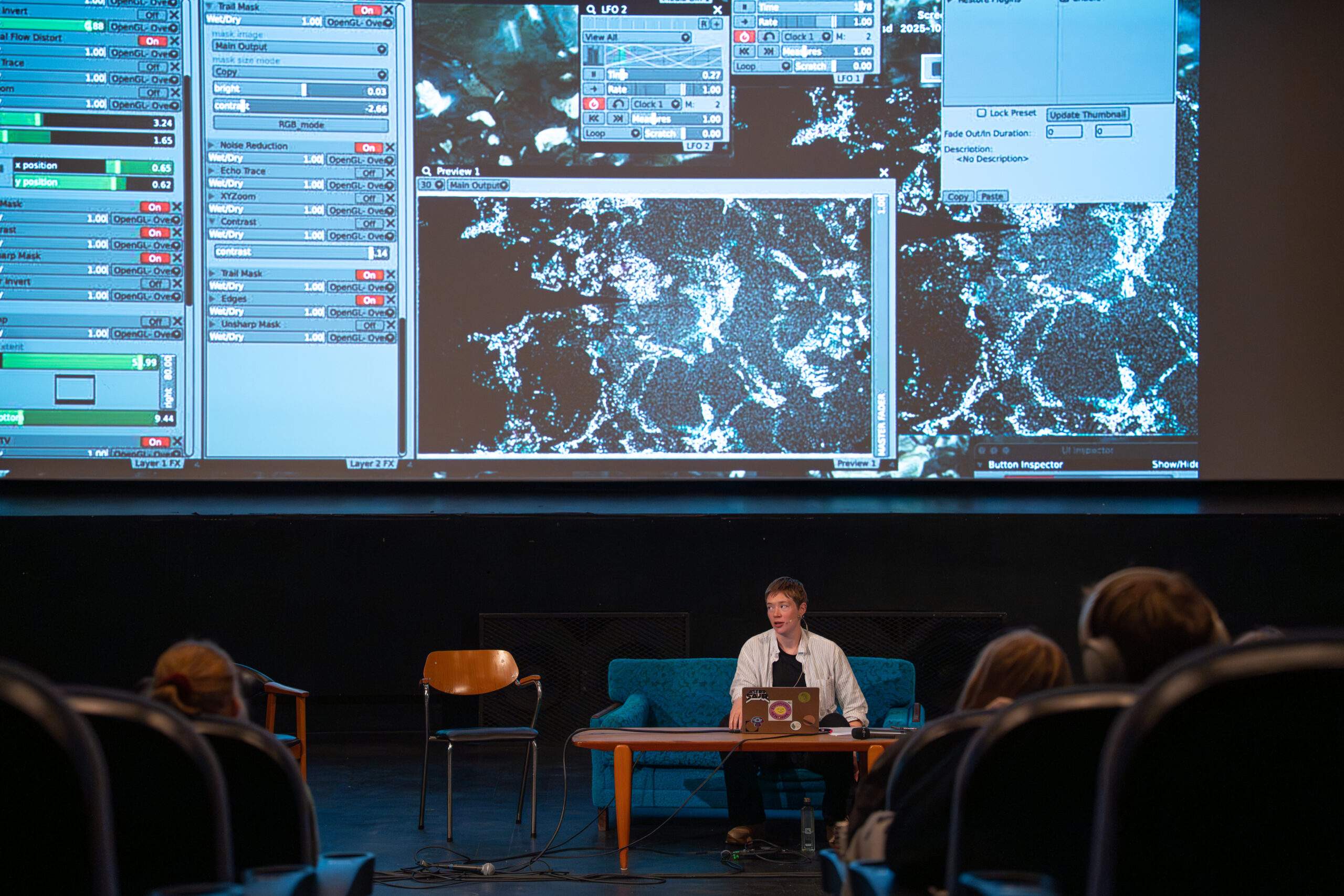
From October 20–24, CreaTeME hosted the interdisciplinary project week D4: Designing Sound, Body, Place and Narrative, bringing together over 150 students from two universities and eight different programs—ranging from one-year studies to PhD research—alongside international artists and researchers. Initiated by Andreas Waaler Røshol, SØS Gunver Ryberg, and André Bratten from Work Package 1 (WP1) of CreaTeME, the week served as an experimental platform to explore how sound, body, space, and storytelling can merge, and how artistic methods influence creative outcomes. The seminar program featured nine presentations by internationally recognized artists and scholars working across experimental theatre, audiovisual design, documentary filmmaking, film music, dance, and performance art, while discussions delved into themes of creativity and openness to experience.
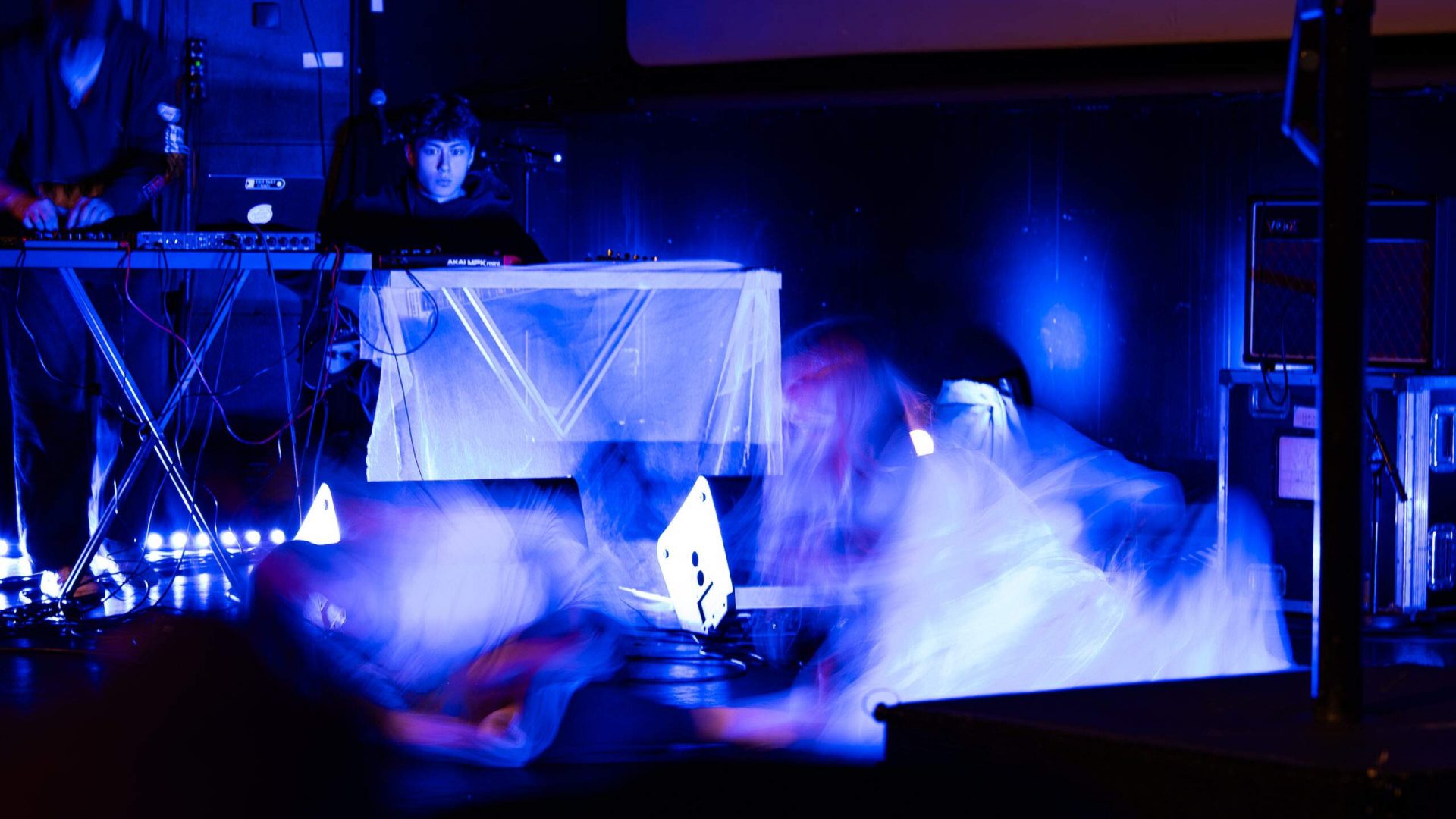
The week culminated in a series of showcases at Aladdin: two works-in-progress presentations, eight stage performances at Aladdin Blå, and seven new compositions for site-specific or screen-based formats at Aladdin Rød. The performances varied widely—from audiovisual interpretations of text to improvisational camera work and audience participation. The compositions ranged from songs recorded in natural environments like caves to soundscapes of imagined virtual spaces.
In addition to students, local practitioners from Kristiansand’s film, installation, and performance scenes participated. A public screening and panel discussion were held in collaboration with Cinemateket. Including staff and faculty, the total number of participants reached approximately 200.
D4 was designed as a non-hierarchical space where students and professionals met as peers. Seminars were structured as dialogues between practices rather than traditional lectures. As composer André Bratten noted, “An important element in D4 is cross-platform thinking—how we meet across artistic forms and develop a shared language. This opens for artistic results that none of the fields could have created alone.”
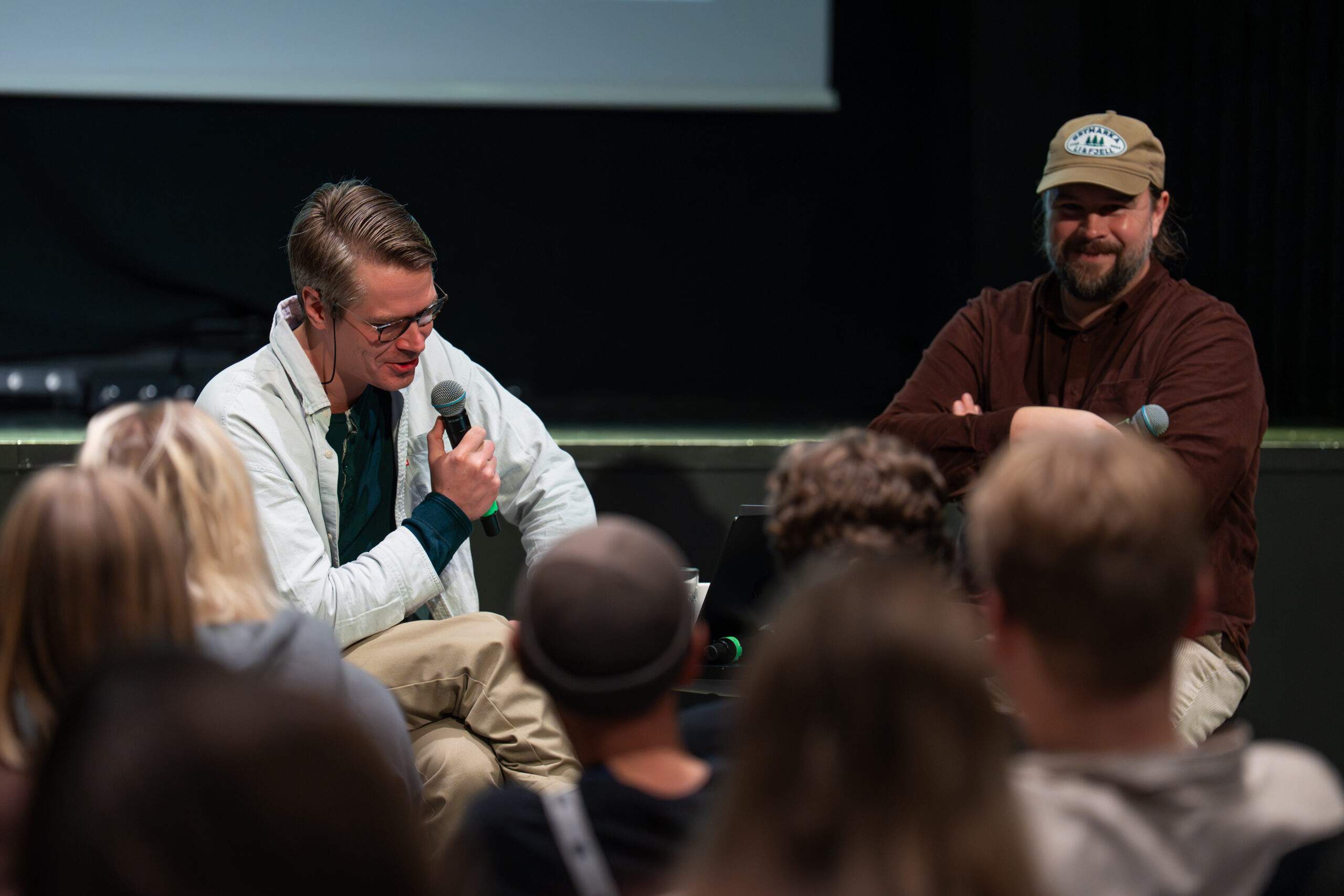
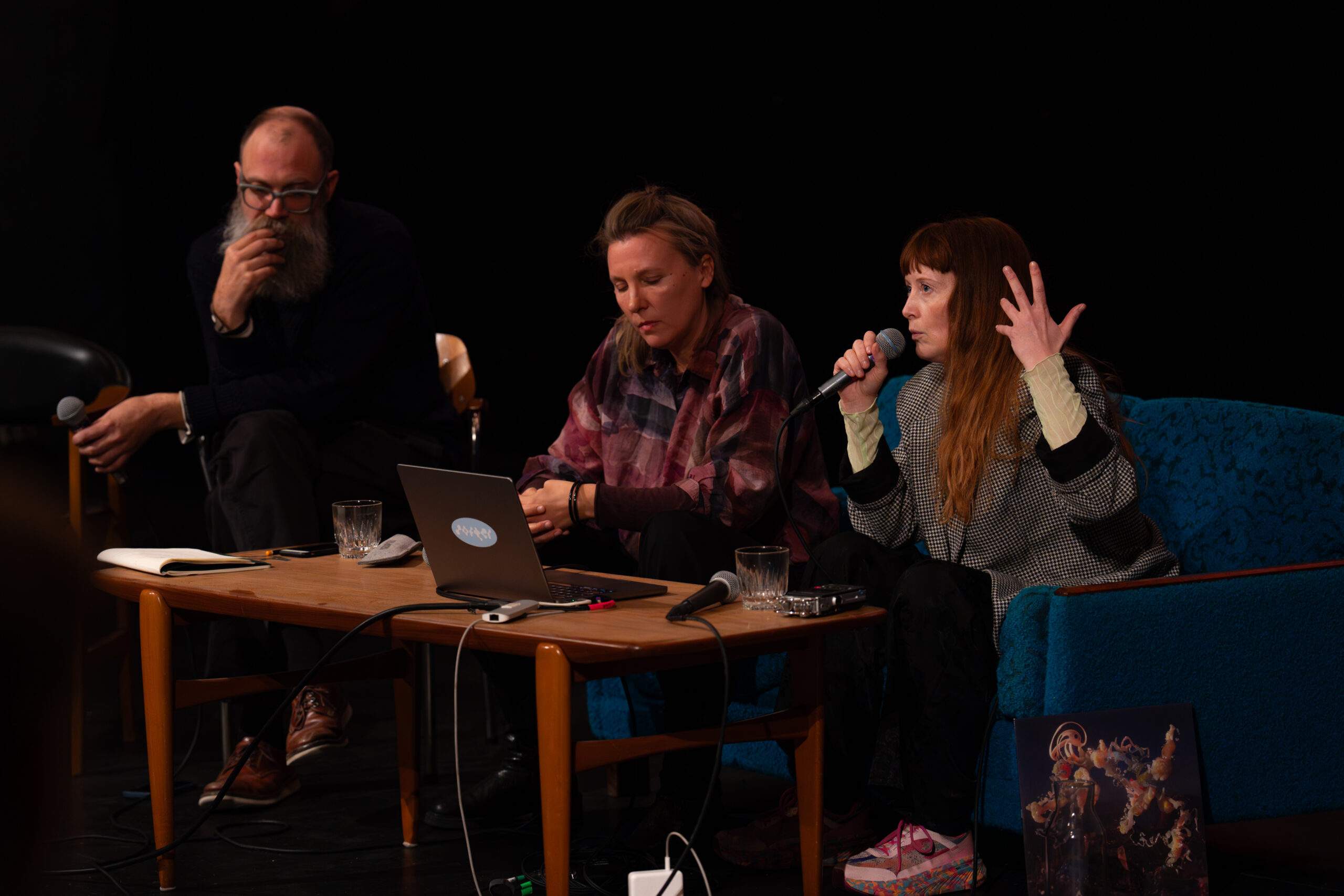
SØS Gunver Ryberg emphasized the uniqueness of the initiative, “For years, I have encouraged institutions in Denmark to create something like this, but it has proven very difficult to make happen. Project Week D4 has therefore been exciting and represents a unique opportunity for the students. Several students from the Master’s programme have told me that this is something they’ve wished for years would happen at UIA. Being exposed to people from different artistic disciplines has been both rewarding and mind-expanding—and at times also frustrating. They’ve discovered that communication is key, as everyone speaks from their own disciplinary perspective. Navigating and embracing creative chaos is an important skill, and I believe this experience is invaluable for their future professional lives.”.
This sentiment was echoed by students. Ruben Saua, a second-year electronic music student, reflected, “I think D4 is important because of the intertwining between different expression forms in art media. Art is about humanity, which is a language we all share. Instead of secluding yourself from others, try to work with others and learn something new about them—and more importantly, yourself. This is what I think D4 is about.”.
“D4 is very important for all students in practical and performing arts, music, theater, and film. It’s a unique opportunity to meet students and artists from different fields, to explore interdisciplinary approaches, and to gain insight into creative processes across disciplines. It’s also a rare chance to collaborate in a safe and structured setting—with time, space, equipment, guidance, and a final presentation.”
Elena Eik, 1st year Masters - Fine Arts
During D4, participants from varied disciplines built a foundation for genuine artistic dialogue across classes and faculties. Students were also encouraged to engage with unfamiliar situations, embracing discomfort as part of the creative process.
“Interdisciplinary arts provide a space where people can genuinely explore and discuss different approaches to artistic expression. At the center of this lies communication, how we use language to articulate what we want to convey through our practice. Finding the right words to describe artistic intent is not merely an academic exercise, it is a crucial part of how ideas take form.”, André Bratten states.
A core theme of D4 was openness to experience, a trait closely linked to creativity. Engaging with unfamiliar perspectives—even those that challenge existing frameworks—was central to the week. Many students faced confusion or frustration when working across disciplines, yet these moments proved essential for growth. Since most graduates pursue careers beyond their original field of study, education must prepare them for a range of futures. D4 contributed to this by offering encounters with leading practitioners. In a world shaped by repetition and algorithmic predictability, arts education must foster change through risk. D4 offered a glimpse of that potential.

For the students in Film, Literature and Theatre, I found that D4 was a very important concept that I hope will be repeated and further developed. Our study program is not part of the Faculty of Fine Arts, and our students likely miss having a closer connection to a creative student environment. It was especially the third-year film students who engaged in the workshop, and for them, being exposed on a stage in front of an audience is somewhat unfamiliar — but all the more educational. They typically create for the screen and withdraw once the production is edited. During D4, they gained new perspectives on what moving images can be used for through collaboration with musicians and performing artists.
Trond Arntzen, Assistant Professor - Department of Nordic and Media Studies

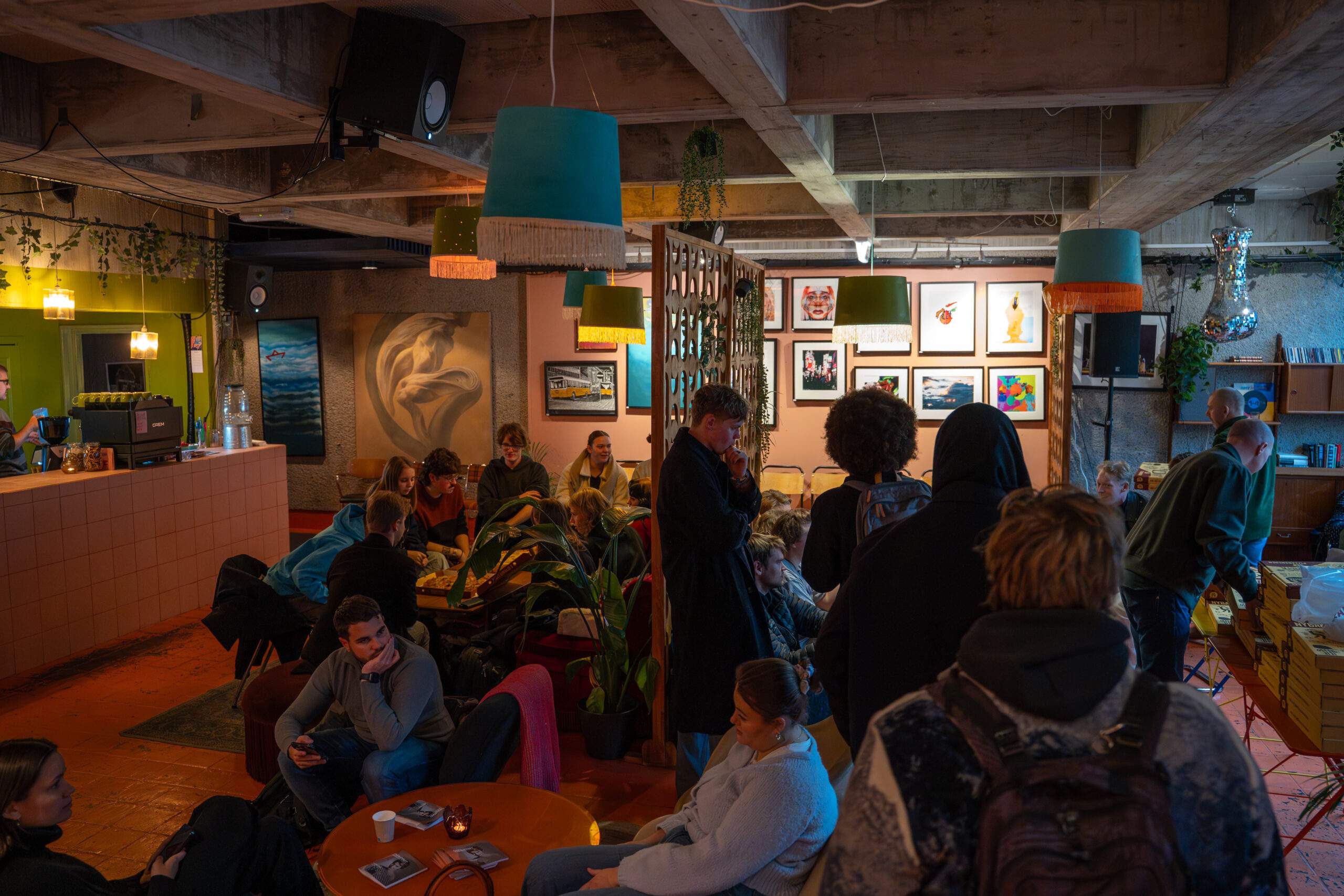
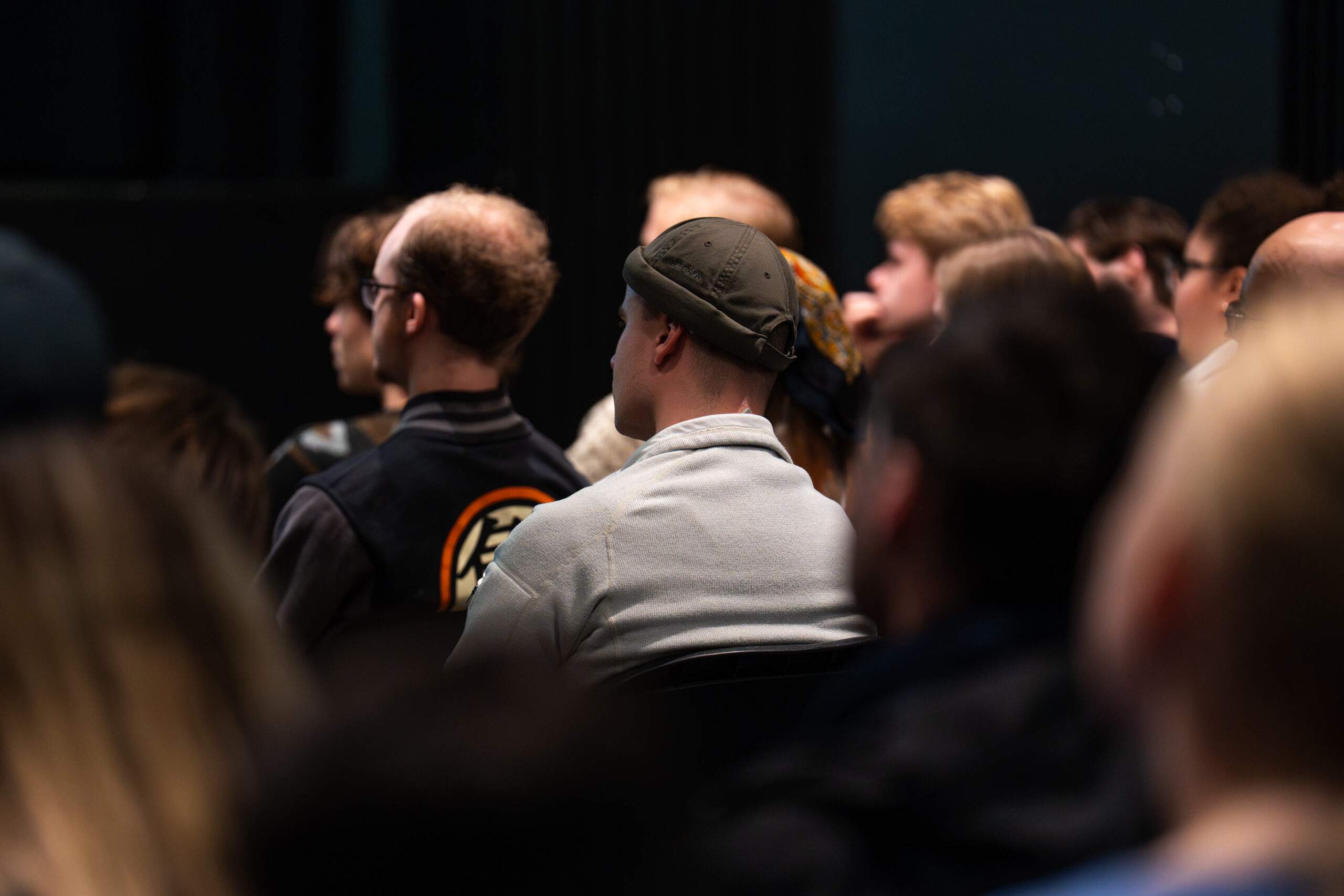
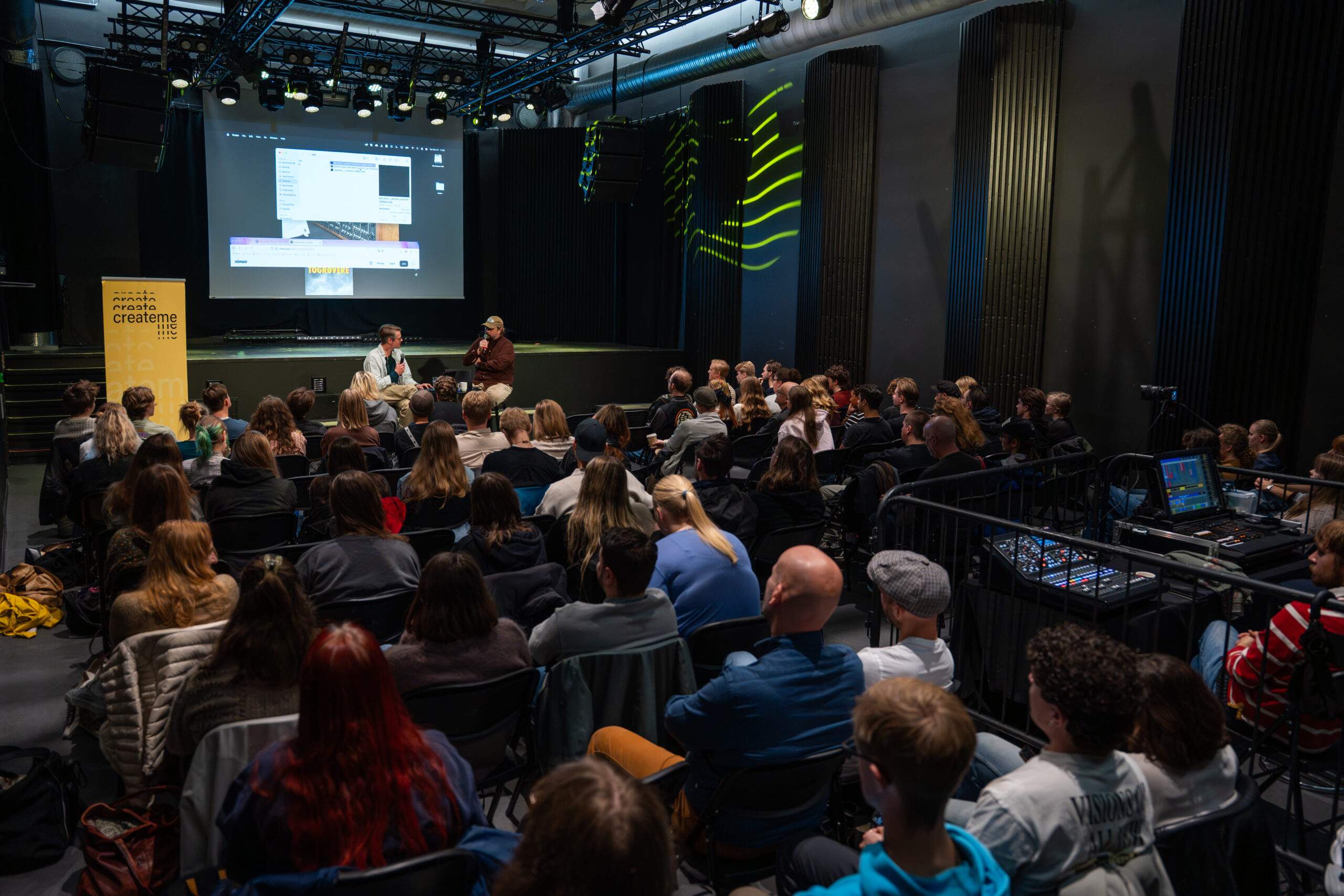
Photo credits: CreaTeME // Anja Kathrine Laland Gyberg, Johannes Birkedal Austenå & Aleksandra Nowak
“I believe it’s important to show how art actually comes into being, in the meeting between different disciplines, languages, and sensibilities. When a composer, a choreographer, and a dancer enter the same room to create, something happens that can’t be learned from a book. They try to understand each other, and in that meeting, a kind of new language emerges. A language of listening and response, where no one fully knows what is happening, but everyone feels that something is moving. And I believe that’s where the learning takes place, in the resistance, in the incomprehensible, if one dares to remain in it.”
Ida Fugli, Associate Professor - Department of Visual Arts and Drama