About the Kristiansand Roundtable Conference
The Kristiansand Roundtable Conference (KRC) is an invite-only gathering that brings together guests from across the international music industries, academia and policy-making, for two days of informed, focused debate.
Founded in 2007 by Peter Jenner and Bendik Hofseth, the KRC was originally conceived as a meeting point for discussions around the development of the Global Repertoire Database (GRD): an ambitious attempt to improve the infrastructure through which information about musical works and their ownership could be shared internationally.
While the GRD may no longer be on the agenda, many of the questions that surrounded it remain. These have developed into a broader forum for examining rights, data, metadata, licensing and digitalisation, alongside the technological, economic and structural changes reshaping the music industries.
Discussions encompass streaming and cross-border licensing; AI and emerging technologies; physical and digital music ecosystems; discoverability, platforms and marketing, and the changing balance of power resulting from monopolies, mergers and industry consolidation.
Who is in the room?
The KRC deliberately brings together people who approach these questions from different positions. Participants comprise policy makers, representatives of government and international organisations, academics with strong connections to the music industries, and industry practitioners, principally from recorded music, publishing and rights management, alongside Artist managers, performers and composers.
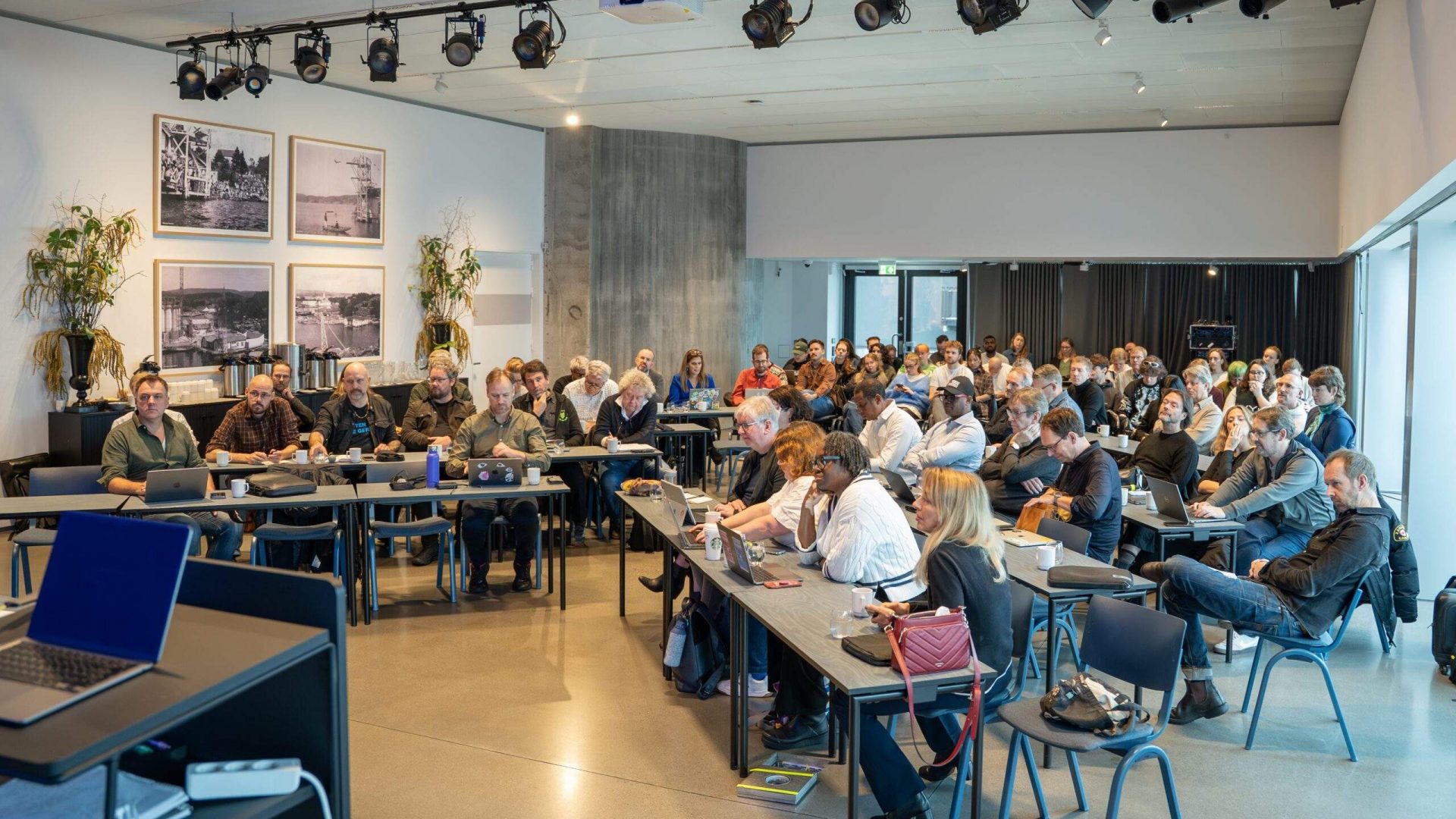
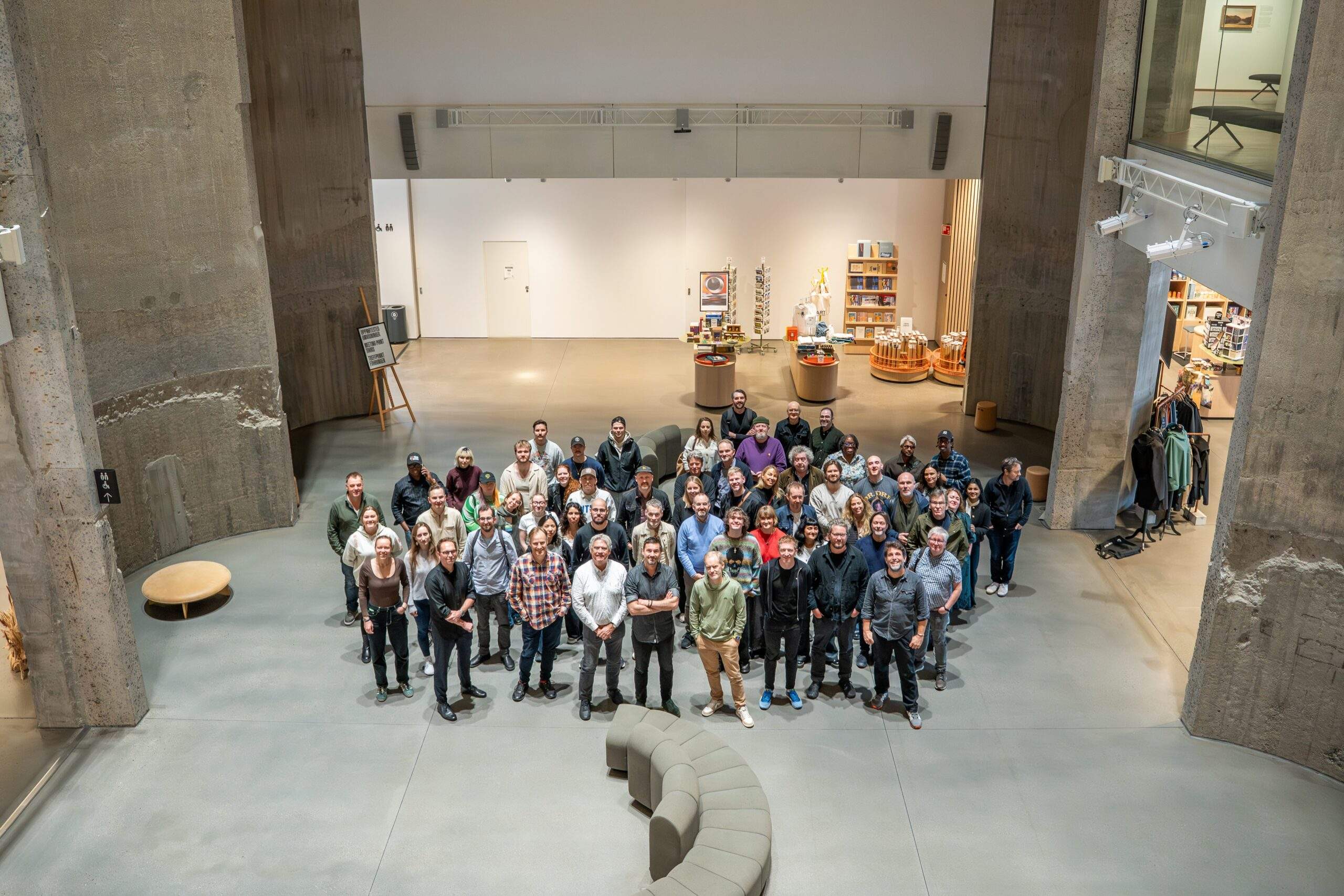
Attendance is by invitation, and the event is kept to around 50 people. The aim is not to assemble the largest possible conference audience, but to create a room of those embedded in and/or affected by the topics, who can contribute meaningfully to the conversation. Organisations represented at previous gatherings have included Believe Digital, BPI, DefJam, EMMA, Gramo, GramArt, IMPALA, Interscope Records, Nettwerk Music Group, PPL, PRS for Music, Sony Music Publishing, SoundCloud, Spotify, TONO, UK Government, Virgin Music Group, WIPO, and universities from Europe, Australia, Africa, Canada, and the United States.
How it works
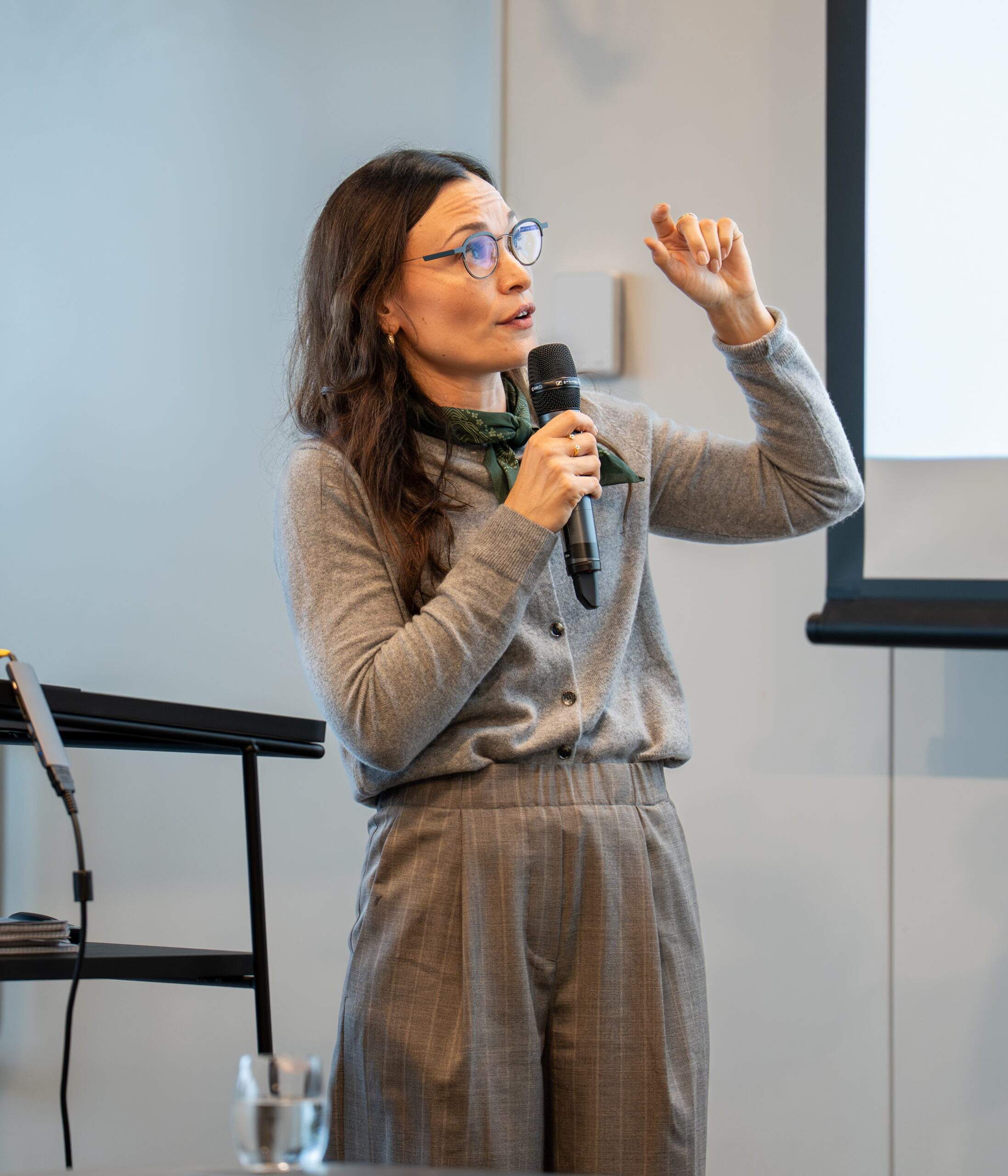
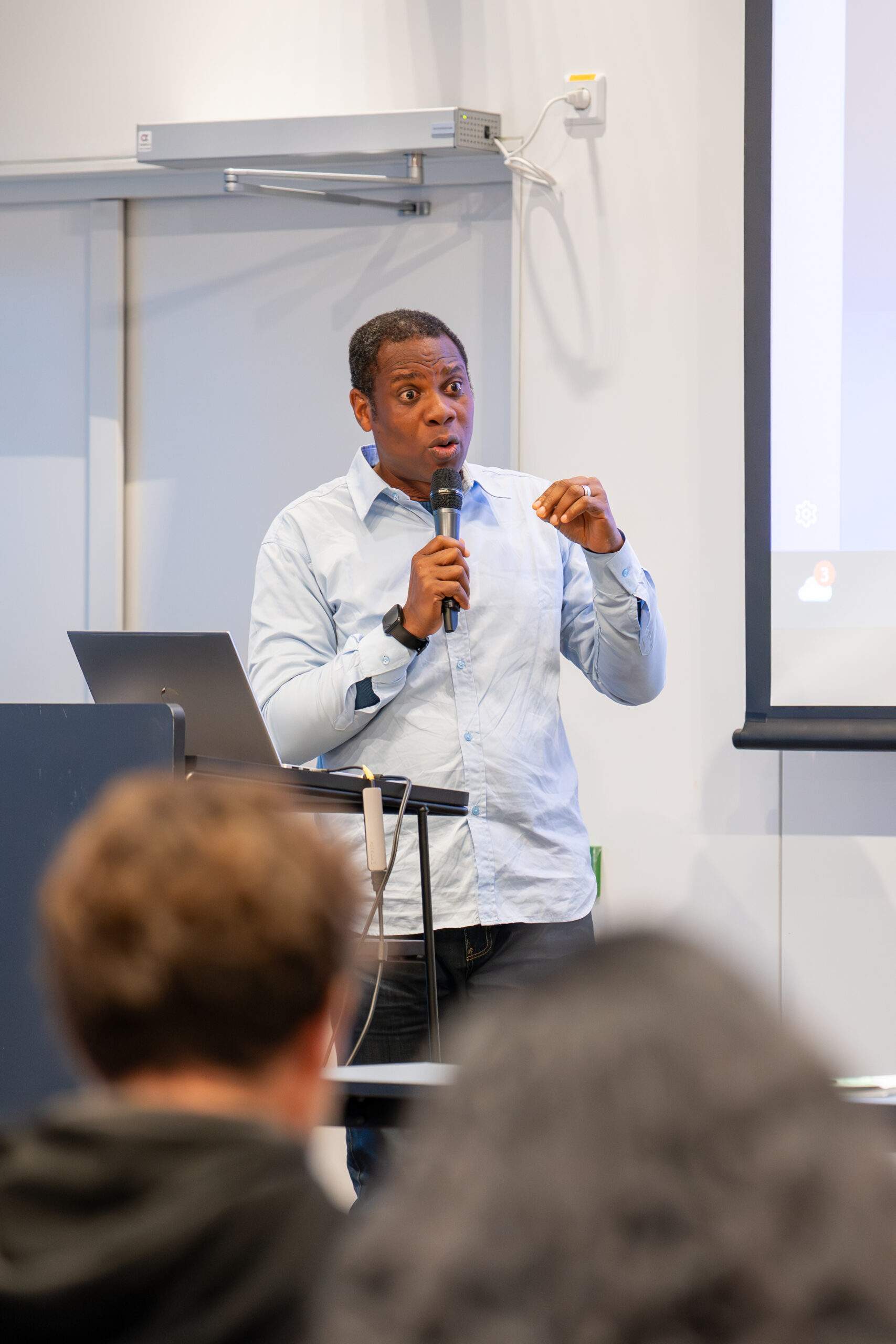
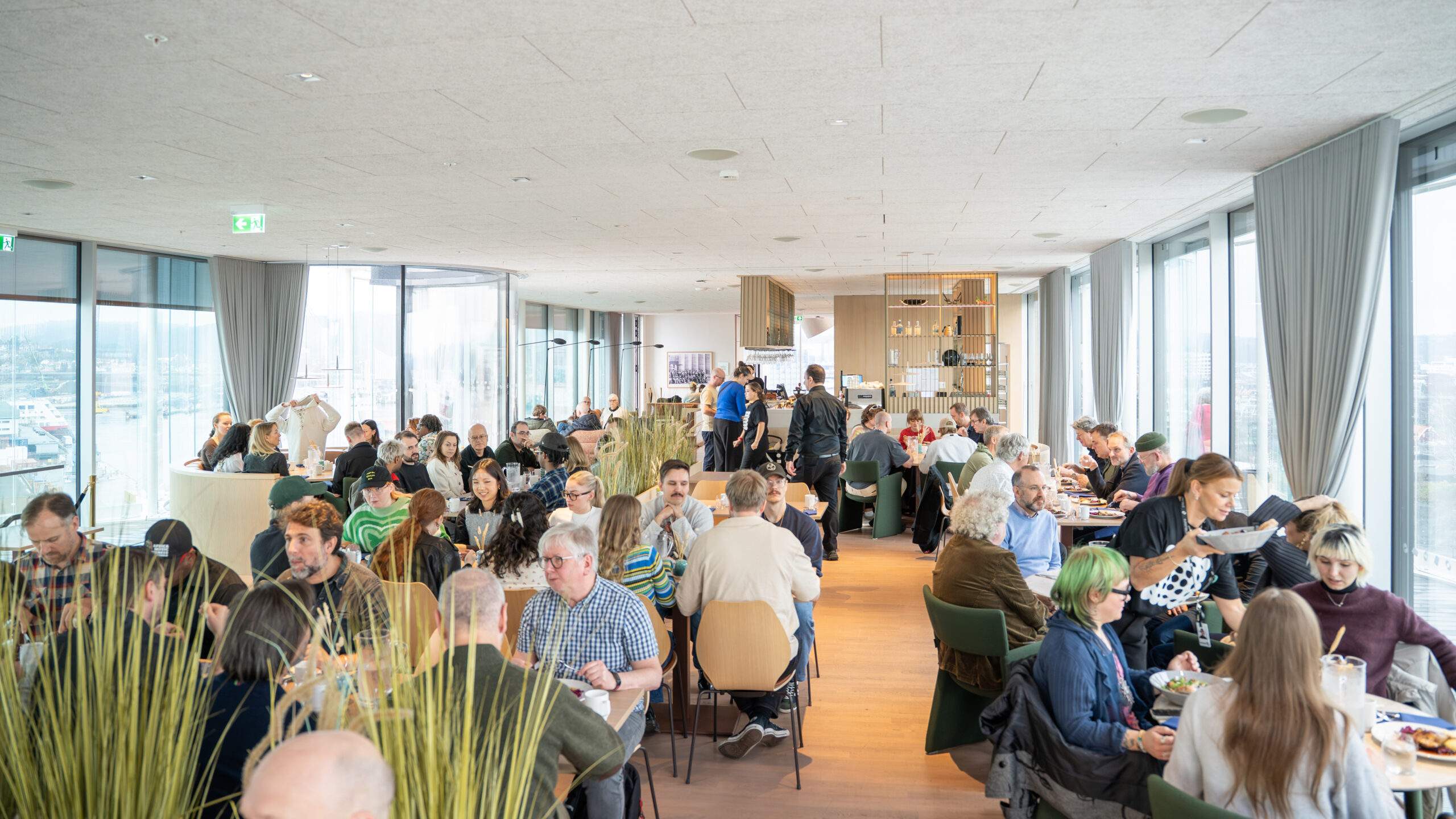
There are no traditional conference panels delivering a succession of presentations to a passive audience. Instead, the KRC is built around moderated debate. Participants signal when they want to contribute, wait for the moderator and a microphone, and then become part of a conversation that moves between different areas of expertise and competing perspectives.
Discussions take place under the Chatham House Rule: participants are free to use the information they receive, but may not reveal the identity or affiliation of the person who provided it. This creates an environment in which people occupying very different positions within the music industries can speak openly, test ideas and disagree constructively.
The emphasis throughout is on discussion that can contribute to progress rather than simply describing the problems the industries face.
KRC and the KRS Open
The KRC is closely connected to its sister event, the KRS Open, which takes place immediately beforehand and brings Music Business Master’s students into conversation with industry practitioners and academics.
Some KRC participants arrive in Kristiansand early, specifically to take part in the KRS Open, creating a bridge between the events: ideas and perspectives from students and emerging professionals feed into a gathering of people working directly on many of the structures, technologies and policies being discussed.
Together, the two events create several days in Kristiansand devoted not simply to talking about how the Music Industries are changing, but to bringing together people who can question, understand and help shape what happens next.
All photos by: Anja Kathrine Laland Gyberg